Bali’s Long-Stay Tourism Boom:
How Residential Stays Are Reshaping the Island’s Future and What It Means for Locals, Nomads and the Culture
Bali isn’t just a holiday getaway anymore. The island is undergoing a major shift from short-break mass tourism to a longer-stay residential tourism model that is quietly transforming its economy, communities and cultural landscape. With digital nomads, remote workers, families, retirees and long-term expats now choosing Bali as a base, the island’s tourism identity is evolving — and with that come opportunities, challenges and deep impacts that go far beyond what most travellers ever see. This trend has implications for local businesses, housing markets, sustainability and Balinese culture itself.
Bali’s Tourism Identity: From Postcard Paradise to Year-Round Lifestyle Destination
For decades Bali was famed for quick escapes — people would fly in for a sunny week of beaches, temples, sunset cocktails and nightlife then head home. But over the past few years that pattern has changed. More travellers are staying longer, blending travel with work, family life, wellness and cultural immersion. This isn’t just anecdotal. Bali welcomed more than 6 million foreign visitors in 2024, and the industry’s focus is increasingly on attracting higher-quality tourists who stay longer and spend more.
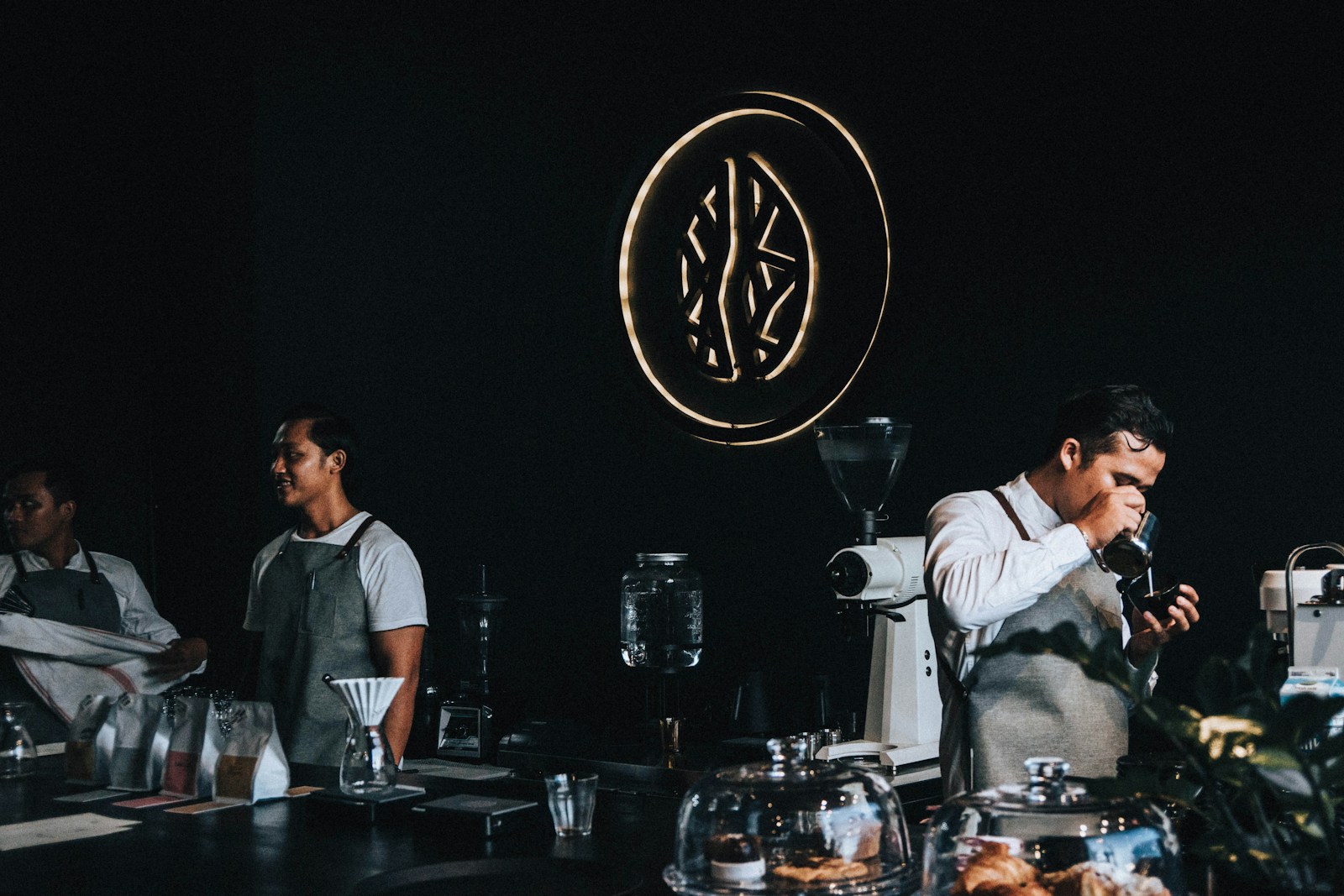
One of the biggest drivers? The growth of remote work and digital lifestyles. With fast internet, co-working spaces sprouting up across Ubud, Canggu and Seminyak, and visa options becoming more flexible, professionals can now keep their careers moving while living in paradise. Countries all around the world are encouraging flexible work arrangements and Bali has positioned itself as one of the most attractive spots on the map.
This has created a new visitor profile: people who aren’t just passing through but are embedding themselves into the local rhythm, living months instead of days, and often repeating visits year after year.
Why Long-Stay Tourism Works for Bali – And for the Visitors Themselves
The appeal of extended stays extends beyond a pretty Instagram shot. Bali ticks several boxes for long-term visitors:
- Affordable living costs compared with many Western cities make it easier to live well without blowing the budget.
- Natural beauty and tropical climate foster a slower, more enjoyable pace of life.
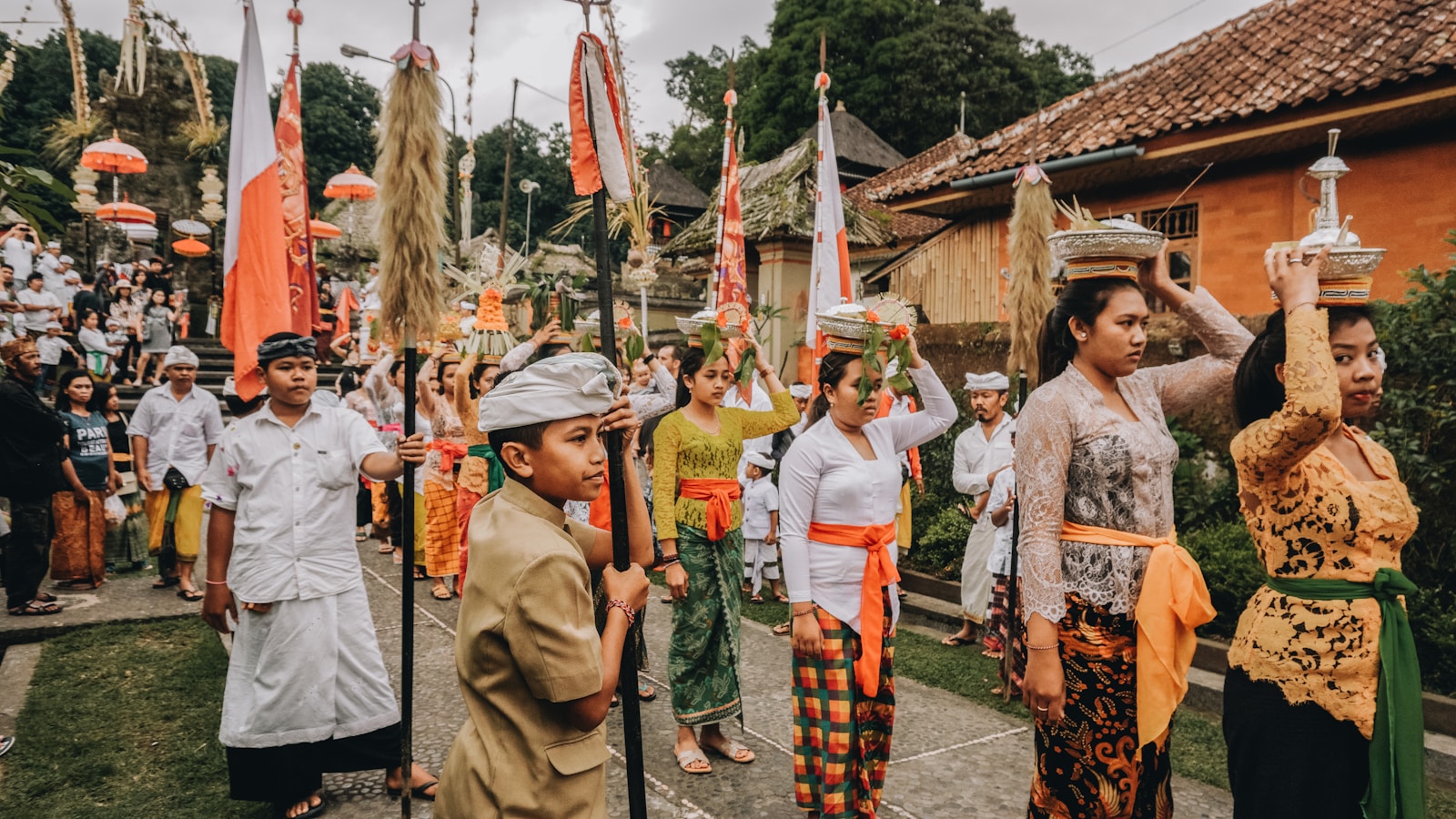
- Rich cultural experiences mean you’re not just passing through, but living in a place with traditions, ceremonies and history.
- Infrastructure catering to remote life — strong internet, co-working spaces, wellness amenities and communities geared around longer stays.
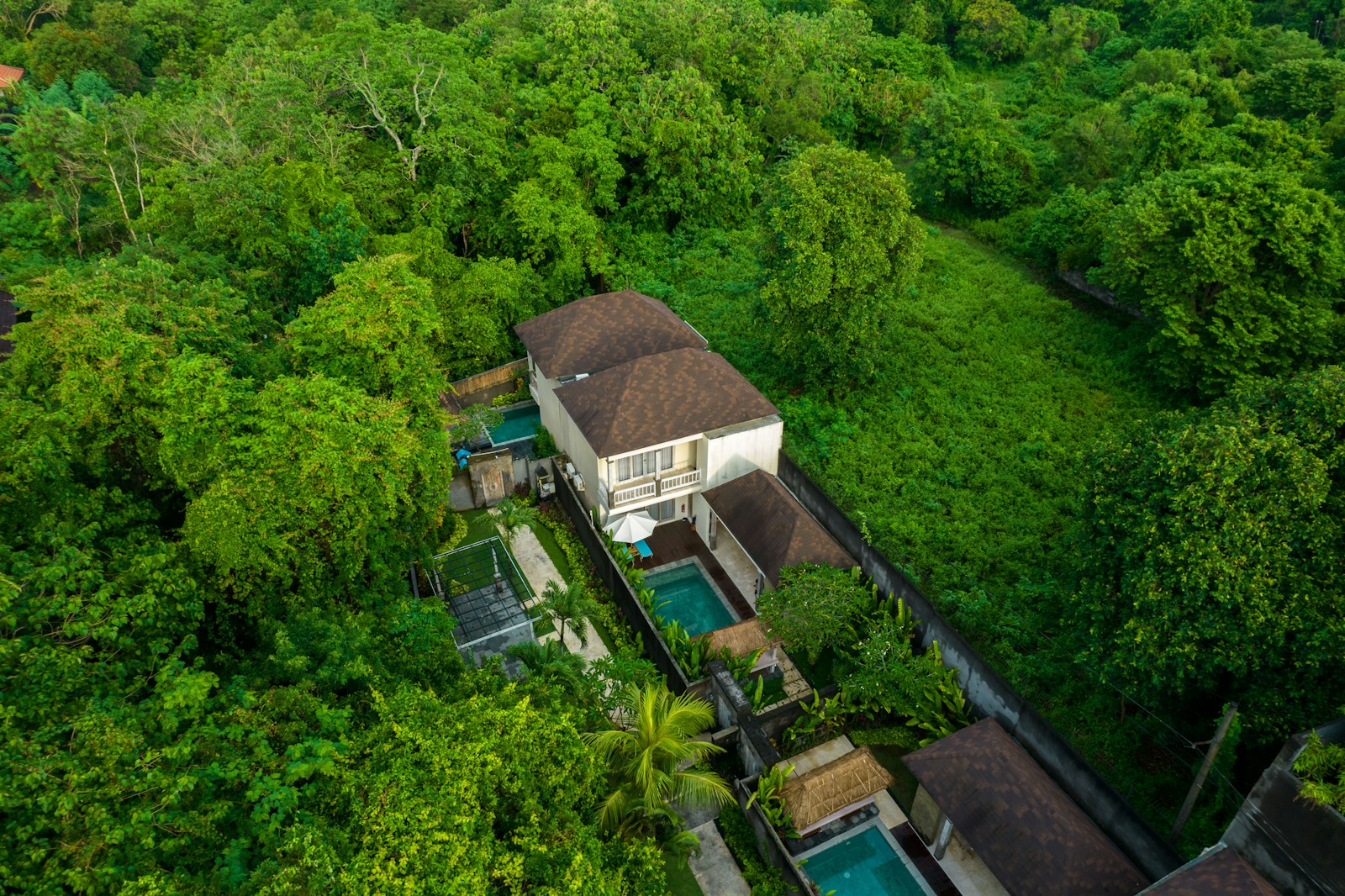
Rather than being rushed tourists, these residents become participants — they eat at local warungs, shop at markets, rent long-term villas and hire staff. That adds up to a more stable, predictable income for the local economy compared with the seasonal spikes and troughs of traditional tourism.
How Bali’s Economy Is Changing with Long-Stay Tourism
Long-stay visitors are reshaping local spending patterns.
Tourists on short breaks usually spend heavily on hotels, tours and attractions — but for a short period. Long-stay residents contribute in a steadier, year-round way. They lease villas or apartments for months, use local services, take language classes, frequent small family-run restaurants and buy from artisans. That means money flows deeper into the community rather than just the main tourist hotspots.
Local workers benefit too. Extended visitors often hire housekeepers, gardeners and drivers — injecting employment into the community. Rather than one-off spending, it becomes regular income. This is a very different economic model compared with peak-season tourism, which can spike and fall unpredictably.
However on the flipside, rising property demand has pushed prices up, particularly in areas like Canggu, Ubud and Seminyak. This trend makes it harder for many Balinese people — especially young locals — to find affordable housing.
Environmental and Social Ripples of Residential Tourism
From an environmental viewpoint, the long-stay trend can even be greener. Short-term visitors often rent cars, stay in hotels and generate waste during big bursts. Long-term residents are more likely to integrate into local transport systems, cook at home and adopt local recycling practices — reducing overall resource strain.
But there are social and infrastructure consequences to watch. Bali’s roads, water systems, waste-management facilities and other core services were built for a certain level of demand. A growing permanent population — even if many are foreign residents — can stretch these systems unless thoughtful planning and investment keep pace.
Another social challenge is cultural balance. In some areas long-term expats form tight communities that become separate from locals. That reduces cultural exchange and can create enclaves rather than inclusive neighbourhoods.
Balancing Growth with Local Priorities: Policy and Planning
To make this new model work for everyone, policymakers are stepping in. Bali’s local government has signalled a focus on promoting longer stays while preserving culture and environment. Measures include:
- Encouraging respectful, sustainable tourism
- Using tourism levies for community and environmental projects (e.g. Bali’s IDR150,000 levy implemented in 2024)
- Exploring zoning and housing policies that protect local interests
- Promoting cultural exchange and community integration
The challenge is significant. Bali’s tourism sector accounts for roughly two thirds of its economy. That heavy dependence makes it vulnerable to global travel trends, currency fluctuations and shifts in visitor behaviour. Realising a long-stay model that works for locals and visitors alike requires careful strategy, investment and dialogue between government, residents and the private sector.
The Cultural Trade-Off: Authenticity vs Tourist Expectations
Longer stays can foster real cultural appreciation — people build relationships, learn Balinese traditions and participate in local ceremonies. But there is also a risk of cultural commodification. As some ceremonies and traditions attract outsiders, there’s a temptation to adapt them to tourist expectations rather than preserve their authentic meaning.
That tension — between cultural preservation and tourism innovation — is a defining theme for Bali’s future. The best outcomes come when long-stay visitors are encouraged to respect local values and when communities guide how tourism evolves.
A Fresh Perspective: Bali as a Culture-Driven Lifestyle Hub
Here’s a complementary angle that hasn’t been widely explored but makes total sense: as Bali’s long-stay tourism evolves, the island is poised to become a global culture-driven lifestyle destination — not just a tropical holiday spot. Think of Bali less as a place you visit and more as a place you live, create, and belong — even if temporarily.
That shift could catalyse new industries: Bali as a creative hub for digital nomads and artists, Bali as an educational centre for cultural exchange, Bali as a base for sustainable living experiments, and Bali as a place where global citizens reconnect with slower rhythms.
This angle reframes tourism not just as economy booster, but as cultural enrichment — provided it is managed with intent and care.
And So….
Bali’s residential tourism trends mark a turning point — one that blends economic resilience with cultural and environmental responsibility. Long-stay visitors bring stability, deeper engagement and fresh perspectives. Yet these benefits come with challenges: housing affordability, infrastructure strain and cultural balance. The future of Bali’s tourism doesn’t just depend on more visitors. It depends on better visitors, smarter planning, and a shared vision between locals and those drawn to call Bali home for the long haul.
When we think about Bali’s future, it’s not just about staying longer. It’s about staying meaningfully.