Bali’s Plastic Ban: Will Rushed Changes Hurt Tourism, Communities, and Business?
Bali’s ambitious plan to ban single-use plastics by 2027, especially small water bottles, is causing big debates among experts, business owners, and locals. While the island’s leaders aim for a cleaner, greener future, many warn that without careful planning and community support, this bold move might backfire.
In this article, we’ll dive into what the new policy really means, the concerns being raised by Bali’s academics and tourism operators, and why a more balanced approach might be needed to protect both the environment and Bali’s vital tourism economy.
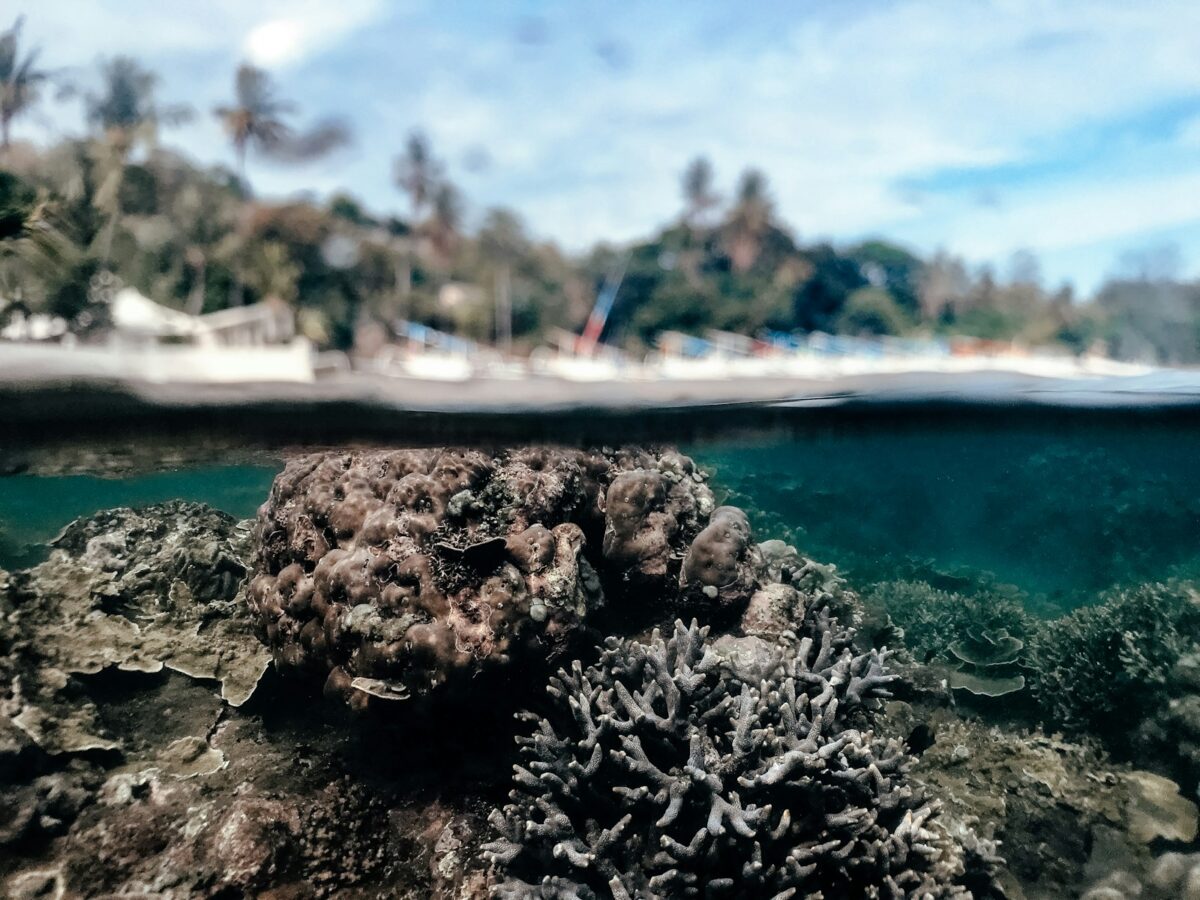
Bali’s Battle Against Plastic Waste: The Vision Behind the Ban
Bali Governor Wayan Koster has made it crystal clear: Bali needs to clean up its act.
The goal is admirable — a cleaner, more sustainable Bali by 2027. To do this, the government introduced new legislation under Circular Letter Number 9 of 2025, bringing the Bali Waste Clean-Up Movement into full force as of April 11, 2025.
The policy puts the spotlight heavily on businesses, particularly those in the tourism sector. Businesses are now expected to create their own waste management systems or face serious penalties, including hefty fines and even license revocations.
One standout element of the policy?
A full ban on single-use plastic water bottles under one liter.
While the intention is strong, critics argue the ban might be racing ahead of reality, especially given the unique cultural, environmental, and tourism needs of Bali.
Why Experts Are Urging Caution
Rushed Decisions Risk Creating Bigger Problems
Dr. I Nyoman Subanda, a respected academic from the National Education University (Undiknas) in Denpasar, voiced a growing concern:
The ban might be well-meaning, but it’s being pushed too fast without enough groundwork.
“I agree with the Governor’s enthusiasm to reduce plastic waste. However, this kind of policy must go through an in-depth study.” — Dr. Subanda
He stressed the importance of first understanding where the majority of plastic waste comes from.
Is it really small water bottles?
Or are items like plastic bags, sachets, and packaging waste an even bigger threat?
Without clear data and a phased plan, Dr. Subanda fears the changes could trigger confusion, resentment, and ultimately failure to achieve the environmental goals.
Communities and Traditions at Risk
The ban, while targeting tourism hotspots, also hits local traditions hard.
In Bali’s many religious ceremonies, community festivals, and social gatherings, small bottled water has become a practical staple.
Without a viable alternative, many fear that village communities could struggle.
Dr. Subanda explained:
“Small bottled water is very much needed during traditional activities involving many residents. If it is prohibited, the community will have difficulties.”
Historically, Bali’s communities thrived without plastic bottles.
But today, with polluted freshwater sources and more structured events, reverting overnight isn’t so simple.
Economic Impact on Small Businesses
Let’s not forget the businesses.
Many small local companies rely on the production, sale, and distribution of bottled water.
The sudden ban could wipe out a significant chunk of income for these operators and by extension, their employees.
Dr. Subanda raised the alarm:
“Business people who have been relying on their businesses from small bottled drinking water will certainly suffer losses.”
His advice?
The government must involve everyone — businesses, academics, community leaders — not just issue top-down orders.
Otherwise, the ban could end up hurting the very people it’s supposed to help.
The Bigger Picture: Balancing the Environment and Reality
While it’s undeniable that Bali needs better waste management, tackling plastic pollution isn’t as simple as banning one item.
Real change requires holistic planning, community education, and sustainable alternatives.
Imagine replacing all single-use bottles with reusable systems, public water refill stations, and education campaigns that change habits without punishing livelihoods.
It’s not an either-or situation.
Bali can aim for zero waste — but it needs a roadmap, not just a rulebook.
What Tourists Can Do
Tourists have a role to play too.
If you’re travelling to Bali, bring a reusable water bottle.
Most hotels, guesthouses, beach clubs, and cafes now offer free filtered water refill stations.
You’ll not only help the environment but also save money.
Other tips for eco-conscious travellers:
- Choose accommodations with eco-certifications.
- Refuse plastic bags and straws.
- Support businesses offering sustainable alternatives.
- Join local beach clean-ups if you get the chance.
Final Thoughts: Good Intentions Need Smart Execution
Bali’s plastic ban is rooted in the right idea — protecting its environment for generations to come.
But without proper research, community involvement, education, and viable alternatives, good intentions could lead to unintended consequences.
The island’s beauty, culture, and economy are all deeply interconnected.
A smart, inclusive, phased approach will be key to making sure Bali’s green dreams become reality — not just more broken promises.
Quick Summary Points (For Easy Reference)
- Bali plans to ban single-use plastics, especially small water bottles, by 2027.
- Businesses must set up their own waste management systems or face fines and closures.
- Critics argue the ban is rushed and lacks necessary studies.
- Traditional community activities heavily rely on small bottled water.
- Local businesses tied to bottled water sales face serious economic risks.
- Experts urge the government to involve the community, academics, and business owners.
- Tourists are encouraged to use reusable bottles and support eco-friendly businesses.
- Long-term success requires a phased, well-educated, and community-supported approach.
Possible Solutions Table
| Challenge | Possible Solution |
|---|---|
| Loss of small bottled water | Provide community refill stations at ceremonies |
| Economic impact on small businesses | Subsidies or grants for transitioning to eco-alternatives |
| Lack of education | Launch public awareness campaigns |
| Poor freshwater access | Invest in water purification infrastructure |
| Community resistance | Include village leaders in planning |