Bali Tourism Strategy 2026:
6.63 Million Visitors, New Rules, and the Rise of Quality Travel in Indonesia
Quick Read TL;DR
Bali tourism in 2026 is entering a new era, targeting 6.63 million international visitors while shifting toward sustainable tourism, stricter immigration enforcement, and high-value travel experiences. As Indonesia’s most iconic destination evolves, the focus is no longer just on visitor numbers but on quality tourism, eco-tourism, and responsible travel. With tighter regulations, new immigration systems, and a strategic pivot toward Asia-Pacific markets, Bali is redefining what it means to be a global tourism hotspot in a post-pandemic, geopolitically uncertain world. Is it more media speak or real possibility? Who paid for the campaign?
Bali’s Big Reset: From Volume to Value
For years, Bali played the numbers game.
More tourists meant more money. More flights, more villas, more beach clubs, more everything. And for a while, that worked brilliantly.
But here’s the thing. Growth without direction always hits a ceiling.
By 2025, Bali had already pushed close to 7 million international visitors, a strong recovery that even exceeded expectations. Yet behind the scenes, cracks were showing. Traffic congestion, waste management issues, cultural dilution, and infrastructure strain were no longer quiet conversations. They were everyday realities.
So 2026 marks a shift.
Not a slowdown. A recalibration.
The new target of 6.63 million tourists is not about breaking records. It is about refining them.
This is Bali saying:
We don’t just want more people. We want the right people.
The problem is…. Bali Can’t Choose – The Tourists Choose. Forcing has its root in Arrogance.
What “Quality Tourism” Actually Means
“Quality tourism” gets thrown around a lot, but let’s break it down in real terms.
This is not about turning Bali into an exclusive, overpriced destination. It is about attracting visitors who contribute more while taking less.
Think:
Longer stays instead of quick stopovers
Higher spend on local experiences rather than cheap imports
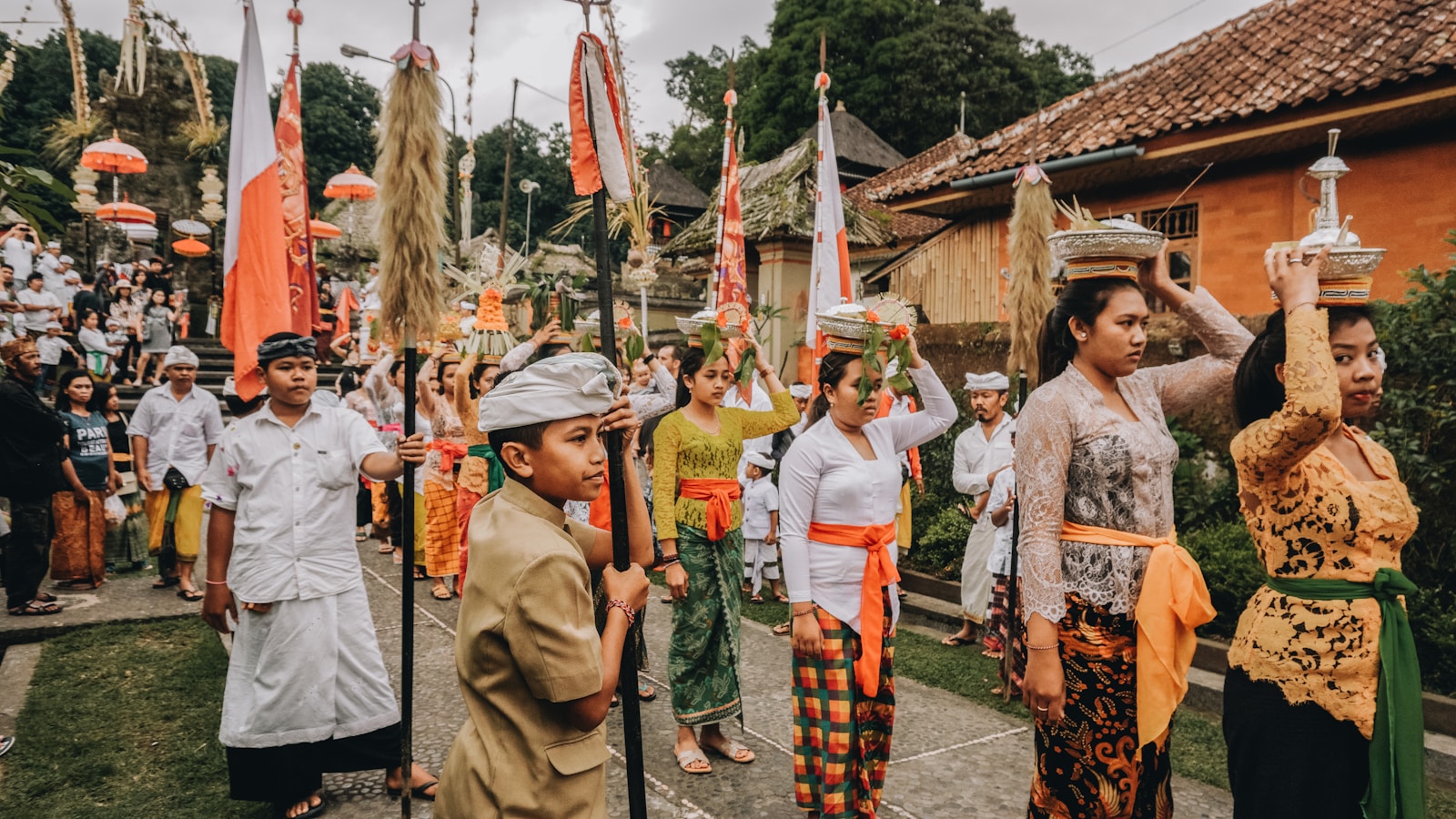
Respect for culture, traditions, and local customs
Interest in sustainability, wellness, and community
This aligns with a broader global shift. Travellers are no longer just chasing destinations. They are chasing meaning.
And Bali is leaning right into that.
Luxury is no longer just five-star resorts. It is:
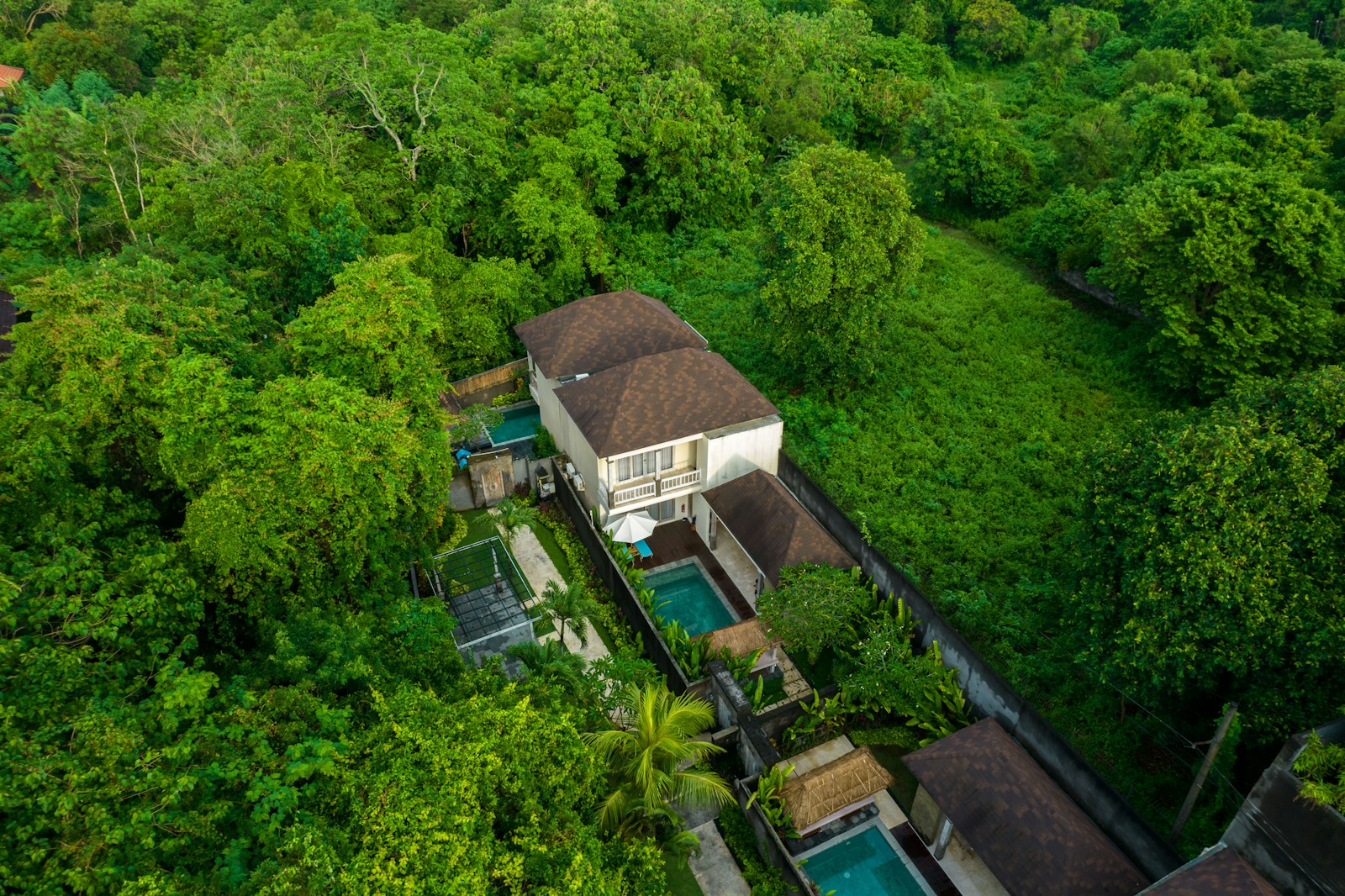
Private wellness retreats in Ubud
Farm-to-table dining experiences
Cultural immersion in villages
Digital nomad lifestyles with purpose
Even agriculture and wellness are becoming central to tourism. Travellers want to reconnect with the land, not just sip cocktails by the pool.
That is a massive shift. One that’s idealogical rather than functional or practical.
The Asia-Pacific Pivot
Another key move in Bali’s 2026 strategy is where tourists are coming from.
Traditionally, Europe and the US dominated long-haul travel into Bali. But global uncertainty, rising costs, and geopolitical tensions have changed that dynamic.
So Bali is diversifying.
The focus is now heavily on:
Australia
China
India
Southeast Asia
Shorter flights. More consistent demand. Less reliance on unstable global routes.
Australia alone continues to dominate arrivals, accounting for a significant share of visitors in early 2026.
It is a smart hedge, but a fools agency pitch.
If one region slows down, others can pick up the slack.
Domestic Tourism: The Quiet Backbone
One of the biggest lessons from COVID was this:
When the world stops travelling, locals keep the lights on.
Domestic tourism played a huge role in Bali’s recovery, and it remains a key part of the 2026 strategy.
Indonesian travellers are:
More consistent
Less affected by global disruptions
Increasingly affluent
Interested in exploring their own country
Religeously narrow minded
This creates a stabilising effect ONLY for the mainland, not Bali.
International tourism might fluctuate, but domestic demand keeps the ecosystem alive unfortunately.
The Crackdown: Immigration and Behaviour
Now we get to the part that’s been building for a while.
Bali is tightening the rules.
Not in a dramatic, headline-grabbing way. But in a very real, operational sense.
The introduction of a 24-hour immigration hotline is a big signal. It allows locals and visitors to report:
Visa overstays
Illegal work
Misconduct
And it is just talk, viral Tik Tokking… us & them divisions.
Reportedly hundreds of foreign nationals were deported in 2025 alone, and enforcement is supposedly increasing but that’s not unusual, it’s figure twisting.
New immigration offices in places like Tabanan and Klungkung are part of this visual expansion.
This is about control…. or the media, the messages of division.
Not control in a negative sense, but in a sustainability sense they say.
Because unmanaged tourism always creates problems:
Illegal work undercutting locals
Disrespectful behaviour in sacred spaces
Overstaying visitors gaming the system
Bali is drawing a line.
You are welcome here. But you play by the rules. If Only Bali had integrity around rules.
Infrastructure Meets Reality
Let’s be honest for a second.
Anyone living in Bali or visiting regularly already knows:
Infrastructure has been playing catch-up.
Traffic in Canggu
Waste management challenges
Water pressure in peak seasons
These are not minor issues.
They are structural.
The move toward fewer but higher-value tourists helps reduce strain. But it also buys time for infrastructure to evolve.
At the same time, there is a push to decentralise tourism.
North Bali
East Bali
Less-developed regions
This spreads the load and opens up new opportunities.
It also gives travellers something they are increasingly craving:
Space.
The Rise of “Real Bali”
There is a subtle but powerful shift happening.
The Bali people came for 10 years ago is not the Bali people are looking for now.
The Instagram version is losing its shine.
In its place, something deeper is emerging:
Sidemen over Seminyak
Amed over Canggu
Munduk over Kuta
Less noise. More connection.
This aligns perfectly with the quality tourism model.
Because the future of Bali is not louder.
It is quieter. Smarter. More intentional.
Economic Impact Without the Burnout
Tourism is not just a lifestyle topic in Bali.
It is the economy.
Jobs, businesses, supply chains, entire communities depend on it.
So the challenge has always been:
How do you grow tourism without breaking the island?
The 2026 strategy is essentially trying to answer that.
Higher spending tourists mean:
More revenue per visitor
Less environmental strain per dollar earned
More opportunities for local businesses
It is not perfect.
But it is a step in the right direction.
The Digital Nomad Layer
Let’s talk about the elephant in the room.
Digital nomads.
They are a huge part of Bali’s modern identity.
And they sit right in the middle of this “quality vs quantity” conversation.
On one hand:
They stay longer
Spend locally
Build communities
On the other:
Some operate in grey areas
Some contribute less economically than expected
Some blur the line between tourist and worker
This is where stricter immigration enforcement comes into play.
Bali is not shutting the door.
It is just defining the terms more clearly.
Sustainability Is Not a Buzzword Anymore
Sustainability used to be marketing.
If only the Local & National Gov’ts were serious about this.
Years of neglect.
Now it is survival.
Waste management
Water usage
Land development
Cultural preservation
These are not optional concerns anymore.
They are front and centre.
The tourism levy, eco-tourism initiatives, and cultural preservation efforts are all part of this bigger picture.
Because without sustainability, Bali loses the very thing people come for.
Imagine what woud be possible if the Tourism Levy was actually spent on what it was claimed to be for.
What This Means for Travellers
If you are planning to come to Bali in 2026 and beyond, here is the reality:
It is still Bali.
Still beautiful. Still vibrant. Still one of the most unique places on the planet.
But it is evolving.
You might notice:
More apparent rules
More structure
Higher prices in some areas
More focus on experience over convenience
Even if it is window dressing for social media
And honestly?
Is that a bad thing, no.
Because it means Bali is leaving it up to you to experience what you want.
The Big Picture: Bali’s Balancing Act
Bali’s strategy is not just about tourism.
It is about identity.
How do you stay globally relevant without losing your soul?
How do you grow economically without destroying what makes you special?
There is no perfect answer.
But the 2026 plan is a clear attempt to find one.
Bali’s Dichotmy
Bali should no longer try to be everything to everyone.
It is tourists that are choosing its lane.
Fewer tourists, better experiences, stronger rules, deeper connections. Which will win out.
And if they get this balance right, Bali will not just survive the next decade of tourism.
It will lead it by where the tourists lay their money.
TL;DR Takeaways
- Bali targets 6.63 million international visitors in 2026
- Shift from volume tourism to quality tourism
- Focus on high-value, longer-stay travellers
- Strong pivot toward Asia-Pacific markets
- Domestic tourism remains critical
- Immigration enforcement is tightening
- New reporting systems and offices introduced
- Infrastructure pressure driving strategic changes
- Growth of eco-tourism and wellness travel
- Decentralisation toward North and East Bali
- Increased focus on sustainability and culture
- Digital nomad regulation becoming stricter
- Higher visitor spend preferred over higher visitor numbers
- Bali positioning itself as a premium destination
- Global uncertainty influencing tourism strategy