Bali: The “Island of the Gods” Reigns as the World’s Most Picturesque Destination – Your Ultimate Guide
Quick Read TL;DR
Bali, Indonesia, with its stunning landscapes, rich culture, and warm hospitality, has been crowned the world’s most picturesque island. From volcanic peaks to serene beaches, discover why this island is a travel haven. Whether you’re seeking adventure, relaxation, or cultural immersion, this island has something for everyone. Learn when to visit, the best hidden gems, and top destinations to explore.
Bali: The “Island of the Gods” – Why It’s the World’s Most Picturesque Destination
Bali, often referred to as the “Island of the Gods,” has topped the list of the most picturesque islands in the world. A dream destination for travelers seeking natural beauty, rich cultural experiences, and unforgettable memories, Bali offers the perfect mix of scenic landscapes, vibrant beaches, and lush jungles. The island boasts a diverse range of attractions, from luxurious resorts to sacred temples, that draw visitors from all corners of the globe. But what exactly makes Bali so alluring? Let’s dive in.
Bali: A Jewel of Natural Beauty
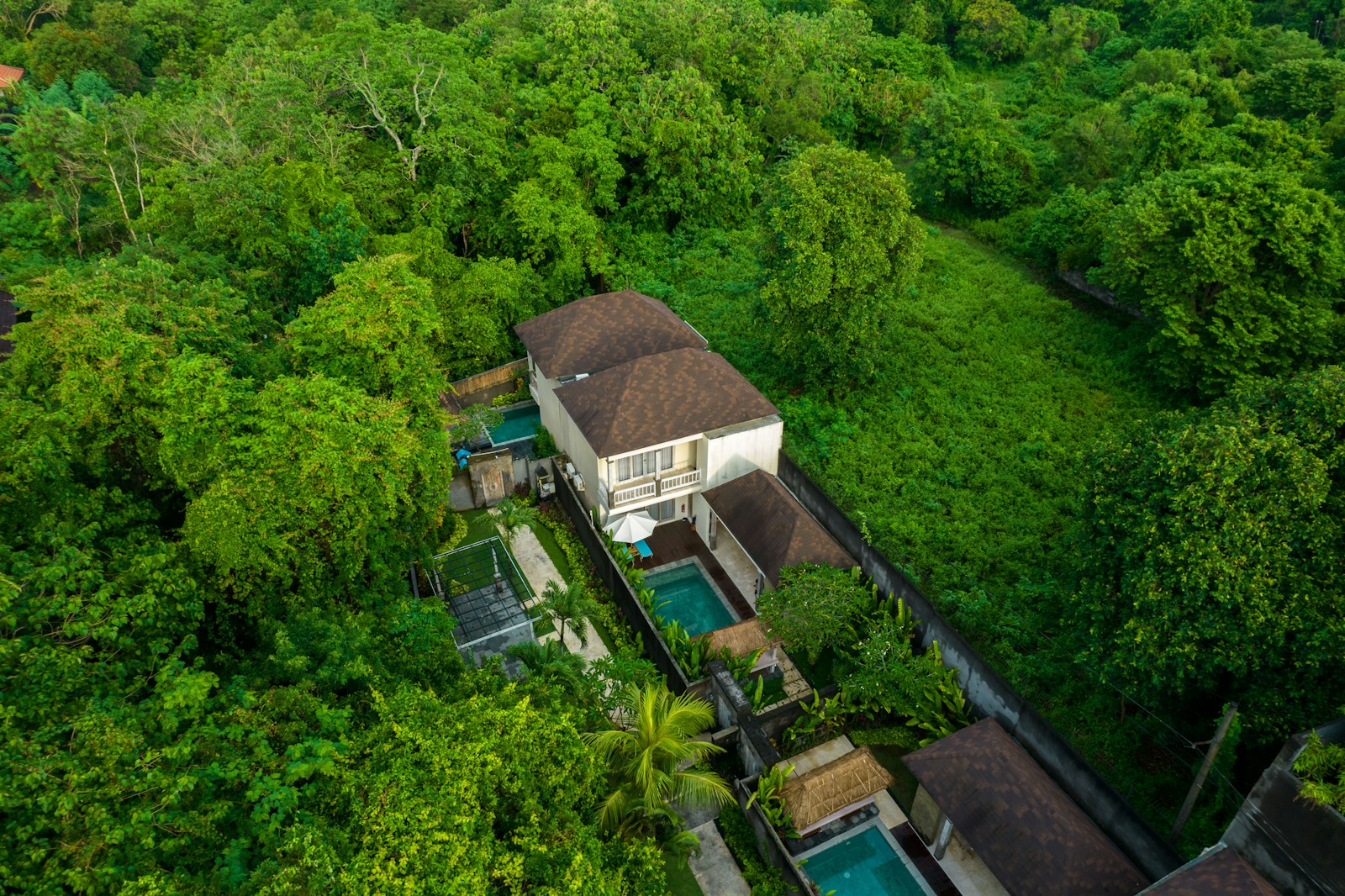
When it comes to natural beauty, Bali delivers in abundance. The island’s landscape is a stunning patchwork of volcanic mountains, terraced rice fields, serene beaches, and jungles teeming with life. It’s no surprise that travel experts at Travelbag chose Bali as the world’s most beautiful island. With a climate perfect for year-round exploration, Bali’s charm lies in its ability to blend spirituality, adventure, and relaxation seamlessly.
Bali’s landscape is incredibly diverse. From the towering peaks of Mount Agung to the tranquil shores of its beaches, every part of the island offers something unique. The south of the island, where the majority of the tourism industry is centered, is home to the lively Seminyak and the exclusive Nusa Dua. These areas offer world-class resorts, trendy beach clubs, and gourmet dining.
For those seeking a quieter, more authentic experience, the less touristy areas in the north and east of Bali provide a peaceful escape. Towns like Amed, Sidemen, and Munduk boast pristine coastlines, traditional Balinese villages, and breathtaking mountain views. These areas remain relatively untouched by mass tourism, making them ideal for those wanting to experience the “real” Bali.
Bali’s Unique Culture: More Than Just a Holiday
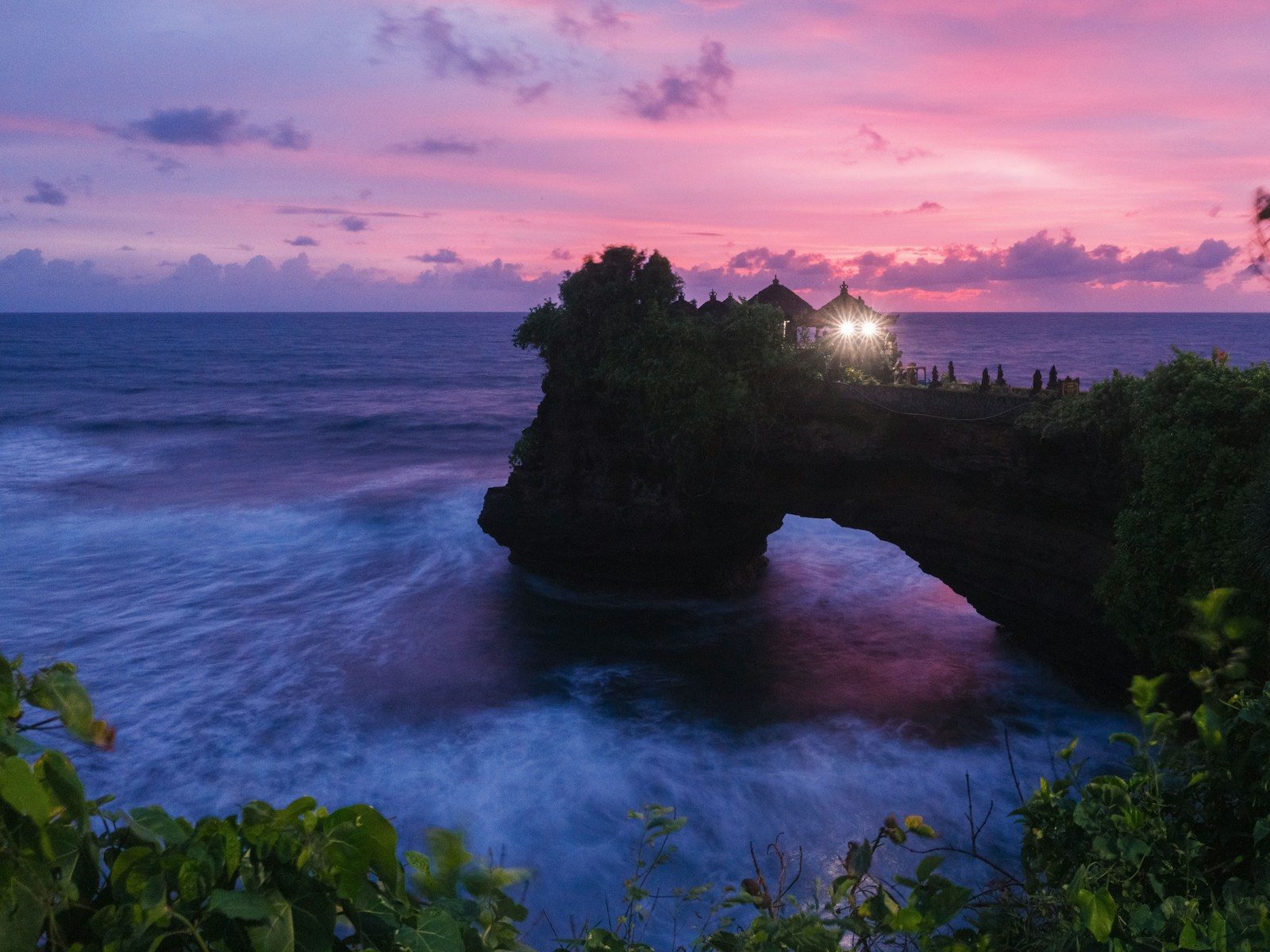
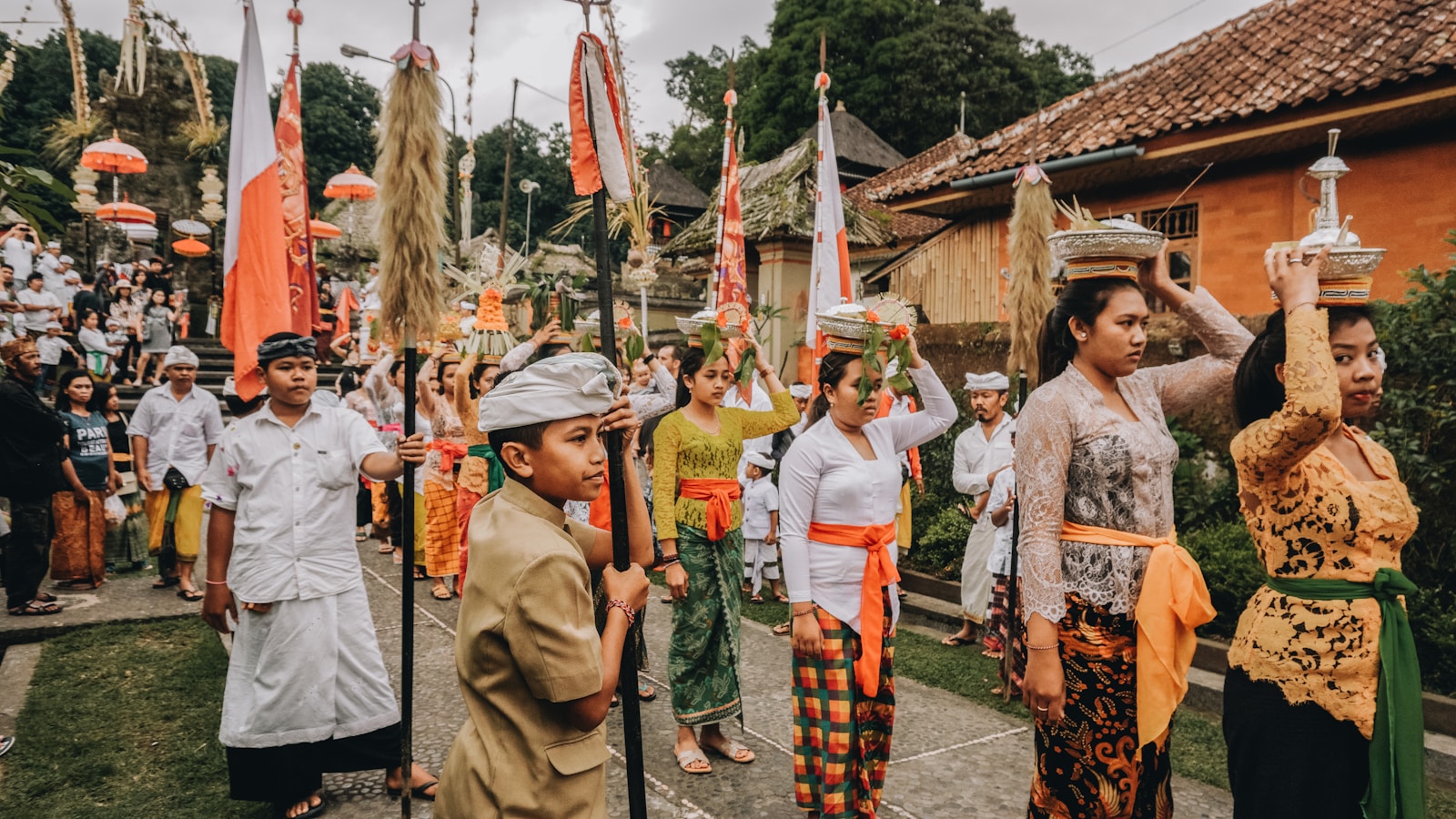
Bali isn’t just a pretty face—it has a rich cultural heritage that shapes the way people live and travel. The island is deeply rooted in Hinduism, with its many temples, ceremonies, and rituals. One of Bali’s most iconic landmarks is the Tanah Lot Temple, set against a dramatic ocean backdrop. This temple, perched on a rocky outcrop, is an essential part of Bali’s spiritual landscape and attracts visitors year-round.
But there’s much more to Bali’s culture than just temples. The island is home to lively art markets, traditional dance performances, and vibrant street food scenes. Visitors can experience Bali’s art and music through festivals such as the Bali Arts Festival, which celebrates local talent and crafts. You can also try your hand at Balinese cooking, learning to create dishes like satay and nasi goreng, or indulge in a traditional Balinese massage at one of the many luxury spas.
Whether you’re wandering through Ubud’s artistic streets, watching a traditional kecak dance at Uluwatu Temple, or attending a full moon ceremony, the cultural experiences in Bali are abundant. Every corner of the island offers a new chance to immerse yourself in its unique way of life.
Best Time to Visit Bali: Weather and Crowds
Bali’s tropical climate means it can be visited year-round, but there are a few things to consider to make the most of your trip. The dry season, which lasts from April to October, is considered the best time to visit. With warm temperatures hovering around 33°C (91°F) and little rainfall, it’s perfect for outdoor activities like hiking Mount Batur at sunrise or exploring the island’s many waterfalls.
However, with the dry season being peak tourist time, it’s important to plan ahead. If you prefer to avoid the crowds and don’t mind a bit of rain, visiting during the rainy season (November to March) can offer a quieter experience. While some attractions may be harder to access due to weather conditions, you’ll be able to enjoy Bali’s lush landscapes without the typical tourist rush.
Hidden Gems: Exploring Bali Off the Beaten Path
Bali is home to many hidden gems that most tourists don’t know about. While Seminyak and Kuta often steal the spotlight, there are plenty of off-the-beaten-path destinations waiting to be discovered.
Amed: Known for its black sand beaches and fantastic diving spots, Amed is a peaceful coastal town offering a more relaxed pace. The surrounding rice fields and views of Mount Agung add to the area’s charm.
Sidemen: Located in eastern Bali, Sidemen offers a more authentic and tranquil Bali experience. With its lush rice terraces, quiet rivers, and spectacular views of Mount Agung, Sidemen is a great place to disconnect from the hustle and bustle.
Munduk: A hidden gem in northern Bali, Munduk is surrounded by waterfalls, coffee plantations, and mist-covered mountains. If you’re looking for a peaceful retreat away from the crowds, Munduk is an ideal destination.
Candidasa: This quiet town on Bali’s east coast is the perfect place for those seeking peace and serenity. Candidasa’s laid-back atmosphere, coupled with its proximity to stunning beaches and local temples, makes it an underrated Bali destination.
A Sustainable Bali: The Tourist Tax and Responsible Travel
Bali has long been a victim of over-tourism, and local authorities are taking steps to address this. To preserve its natural beauty and cultural heritage, Bali is implementing a new tourist tax, similar to Bhutan’s Sustainable Development Fee. The proposed fee would be a daily charge for international visitors, with the goal of supporting sustainable tourism practices and improving infrastructure.
While this fee may seem like a deterrent, it’s important to remember that responsible tourism is essential for preserving Bali’s unique environment. By paying this fee, you’ll be contributing to the maintenance of the island’s iconic landmarks and helping ensure that future generations can continue to experience the magic of Bali.
Final Thoughts: Why Bali Should Be on Your Bucket List
From its stunning landscapes to its rich cultural heritage, Bali offers a travel experience unlike any other. Whether you’re after the luxury of Nusa Dua, the vibrancy of Seminyak, or the peacefulness of Amed and Sidemen, Bali has something for everyone. So, pack your bags, plan your trip, and get ready to experience the beauty of the “Island of the Gods.”