Bali’s Digital Nomad Boom: Paradise or Pressure Cooker?
Bali’s Digital Nomad Boom: Paradise or Pressure Cooker?
Bali has become a hotspot for digital nomads, offering affordable living, vibrant culture, and a thriving remote work scene. However, this influx is reshaping the island’s economy and social fabric. While foreign professionals enjoy the benefits of geoarbitrage, locals face rising living costs, gentrification, and cultural shifts. The surge in remote workers has led to increased demand for housing, driving up rents and displacing residents. Additionally, the growing party culture and disregard for local customs have sparked tensions within communities. This article delves into the complexities of Bali’s digital nomad boom, exploring its economic impact, cultural implications, and the challenges of balancing global connectivity with local integrity.
The Allure of Bali for Digital Nomads
Bali’s appeal to digital nomads is multifaceted. The island offers a unique blend of natural beauty, cultural richness, and modern amenities. Affordable living costs, a warm climate, and a welcoming community make it an ideal destination for remote workers seeking a balanced lifestyle.
The Indonesian government’s introduction of the digital nomad visa has further facilitated this influx, allowing remote workers to legally reside and work in Bali. This policy has attracted professionals from around the world, contributing to the island’s growing reputation as a remote work haven.
Economic Impacts: A Double-Edged Sword
The economic impact of digital nomads on Bali is significant. On one hand, their spending stimulates local businesses, from cafes and restaurants to co-working spaces and wellness centers. This influx of foreign income has provided a much-needed boost to the island’s economy, especially in the wake of the COVID-19 pandemic.
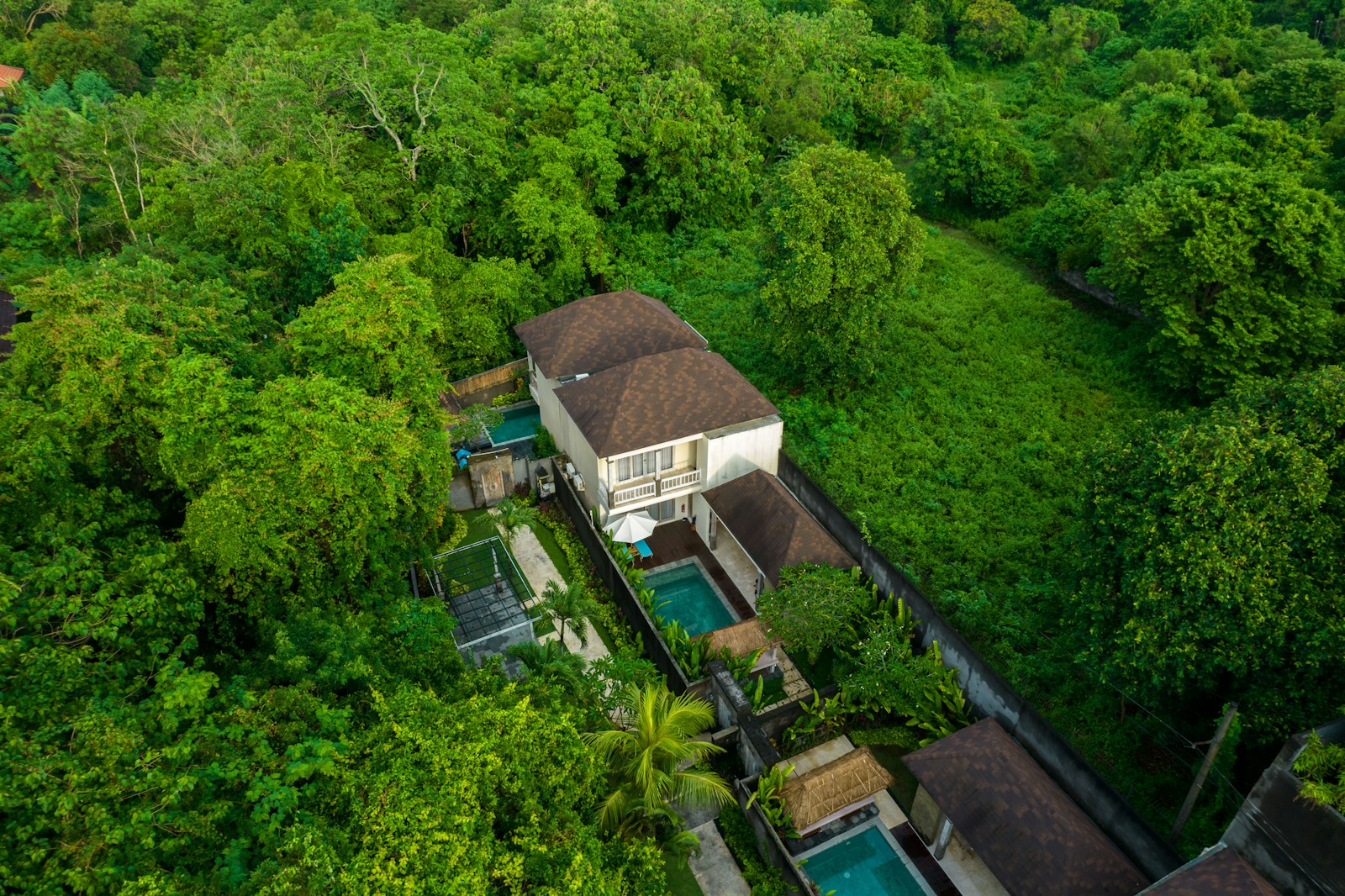
However, this economic boon comes with challenges. The increased demand for housing has led to rising property prices and rents, making it difficult for locals to afford accommodation. Additionally, the focus on catering to foreign tastes has led to a proliferation of businesses that may not align with traditional Balinese culture, potentially eroding the island’s unique identity.
Cultural Tensions and Community Concerns
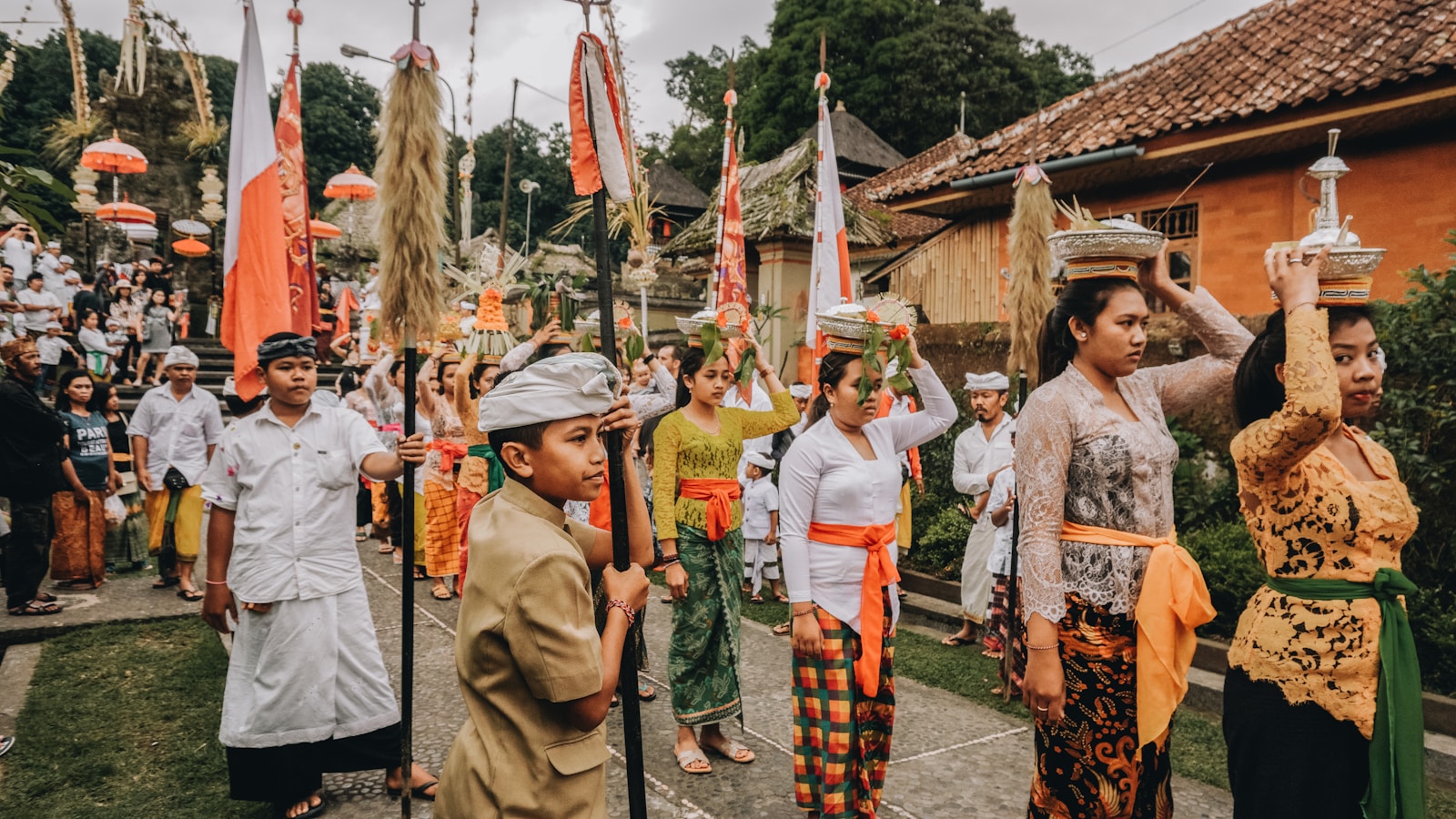
The cultural impact of the digital nomad influx is a growing concern among Balinese communities. While many locals appreciate the economic benefits, there is apprehension about the erosion of traditional values and customs. Instances of disrespect towards local traditions, inappropriate behavior, and a lack of cultural sensitivity have been reported, leading to tensions between locals and foreign residents.
Community leaders have called for greater awareness and respect from digital nomads, emphasizing the importance of cultural preservation. Efforts are being made to educate newcomers about Balinese customs and encourage responsible tourism practices.
Environmental Considerations
The environmental impact of increased tourism and residency is another pressing issue. The strain on natural resources, waste management challenges, and increased traffic contribute to environmental degradation. Sustainable practices and infrastructure development are essential to mitigate these effects and preserve Bali’s natural beauty for future generations.
Navigating the Future: Striking a Balance
The future of Bali as a digital nomad destination hinges on finding a balance between economic growth and cultural preservation. Stakeholders, including government bodies, local communities, and foreign residents, must collaborate to develop policies that promote sustainable development, cultural sensitivity, and community engagement.
Educational initiatives, community integration programs, and responsible tourism campaigns can foster mutual understanding and respect. By embracing a holistic approach, Bali can continue to thrive as a vibrant, inclusive, and culturally rich destination for digital nomads and locals alike.
Bali’s transformation into a digital nomad hotspot presents both opportunities and challenges. While the influx of remote workers boosts the economy and brings global attention, it also raises concerns about cultural integrity, affordability, and environmental sustainability. By fostering dialogue, promoting cultural awareness, and implementing sustainable practices, Bali can navigate this complex landscape and ensure a harmonious coexistence between locals and digital nomads.