🌴 Bali on the Brink? Why the World’s Most Loved Island Faces a Population Tipping Point
Quick Read TL;DR
Bali is officially among the world’s most densely populated islands, with over 4.2 million residents and 60,000 tourists arriving daily. Beyond stunning beaches lies a mounting crisis of overtourism, vanishing green spaces, skyrocketing real estate prices, and locals feeling displaced. As Bali’s infrastructure strains under the weight of crowds and cultural tensions simmer, the island faces a critical question: has it reached its carrying capacity? Explore the hidden truths behind Bali’s population boom and what sustainable tourism must look like to save paradise for locals and travelers alike.
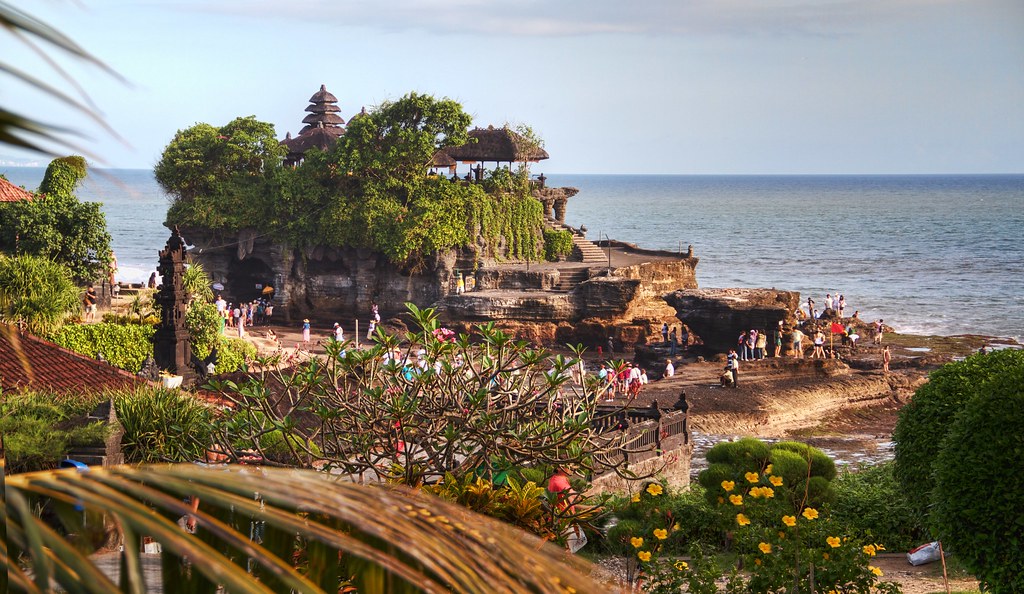
Bali is officially one of the world’s most densely populated islands, fueled by booming tourism, local migration, and an influx of foreign investors. But as crowds surge and green spaces vanish, locals are asking: is paradise nearing its limit? Let’s unpack how Bali’s rising population density, overtourism worries, and economic shifts could transform the island’s future—and what it means for travelers dreaming of tropical bliss.
Introduction: Paradise Packed to the Brim?
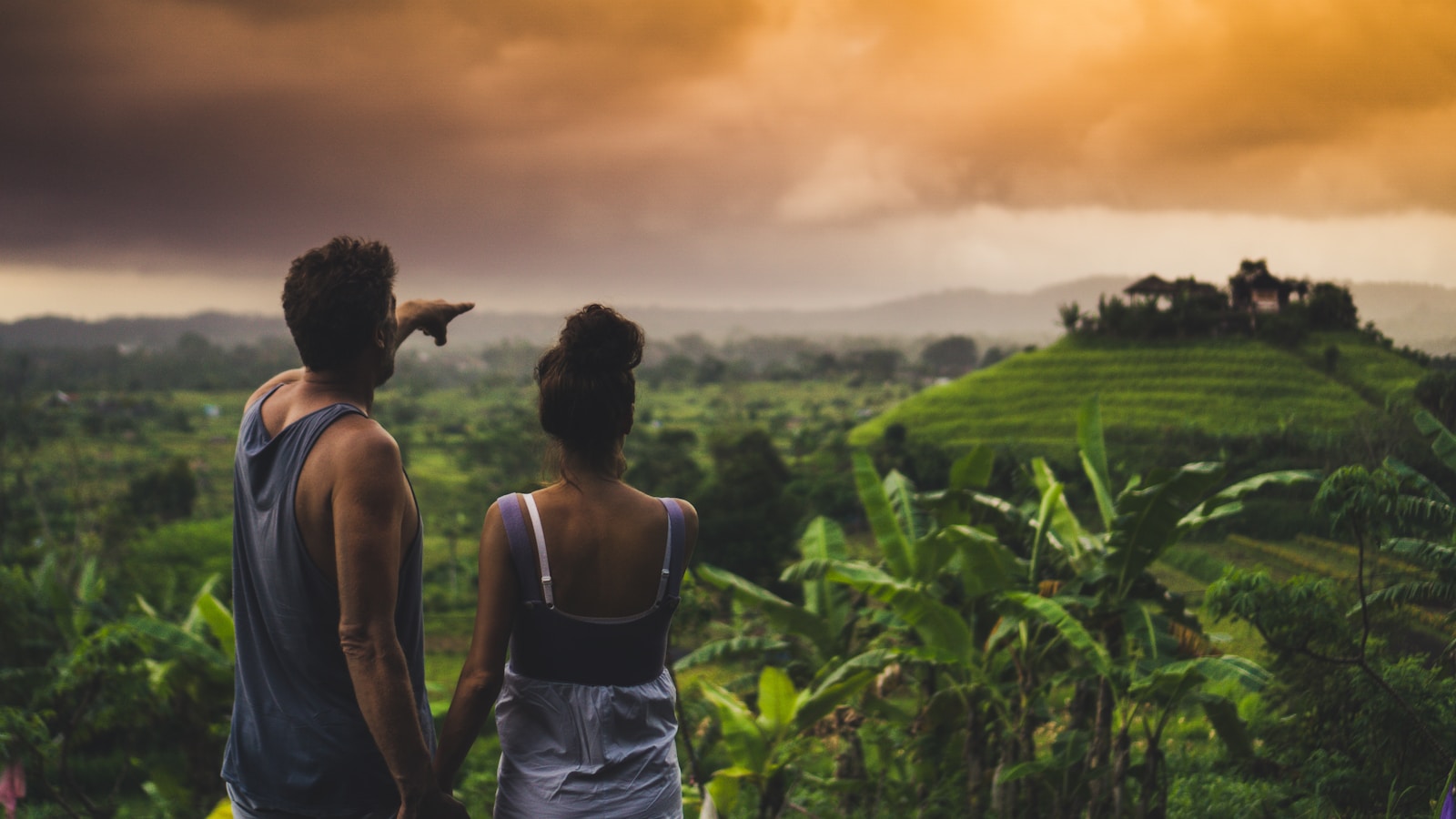
There’s a reason Bali’s nickname “The Island of the Gods” attracts millions. Lush rice terraces, world-class surf breaks, vibrant culture—it’s every wanderluster’s dream. But behind the Instagram reels, a new reality is emerging: Bali has officially been ranked among the world’s most densely populated islands.
With over 4.2 million residents and daily tourist arrivals exceeding 60,000, Bali’s population density is a staggering 731 people per square kilometer and that’s before counting the tourists. From clogged roads to vanishing rice paddies, island life is feeling the squeeze.
And locals are speaking up.
This is no longer just a tale of sun-kissed beaches and poolside cocktails. It’s a story about sustainability, cultural preservation, and the question on everyone’s lips: Has Bali reached its carrying capacity?
Bali’s Soaring Population: What the Numbers Reveal
Let’s crunch the numbers:
- 4.2 million permanent residents
- Over 60,000 daily tourist arrivals (that’s 21.9 million tourists yearly if averaged out—though high and low seasons fluctuate)
- Island size: 5,780 square kilometers
- Population density: 731 people/km², not counting visitors
Even by global standards, that’s high. For context:
- Java (Indonesia’s most crowded island) averages around 1,121 people/km²
- Manhattan averages about 27,000 people/km², but is urban and vertical, unlike Bali’s sprawling low-rise development
Bali sits somewhere in between a small island grappling with urban-level density in a largely rural layout.
More Than Just Tourists: Locals Feel the Pinch
The conversation around Bali’s density isn’t only about foreigners with Bintang beers. It’s locals, like 41-year-old Wahyuni from Denpasar, who feel increasingly pushed out:
“The population density in Bali is a big challenge for me… We should feel comfortable in our own environment.”
Several factors are converging:
- Domestic migration: Indonesians from other provinces flock to Bali seeking jobs in tourism, construction, and retail.
- Outbound Balinese migration: Young Balinese leave for jobs overseas, hollowing out local labor forces in sectors like agriculture.
- Foreign investment: Rising numbers of foreigners buying or leasing property, escalating land prices.
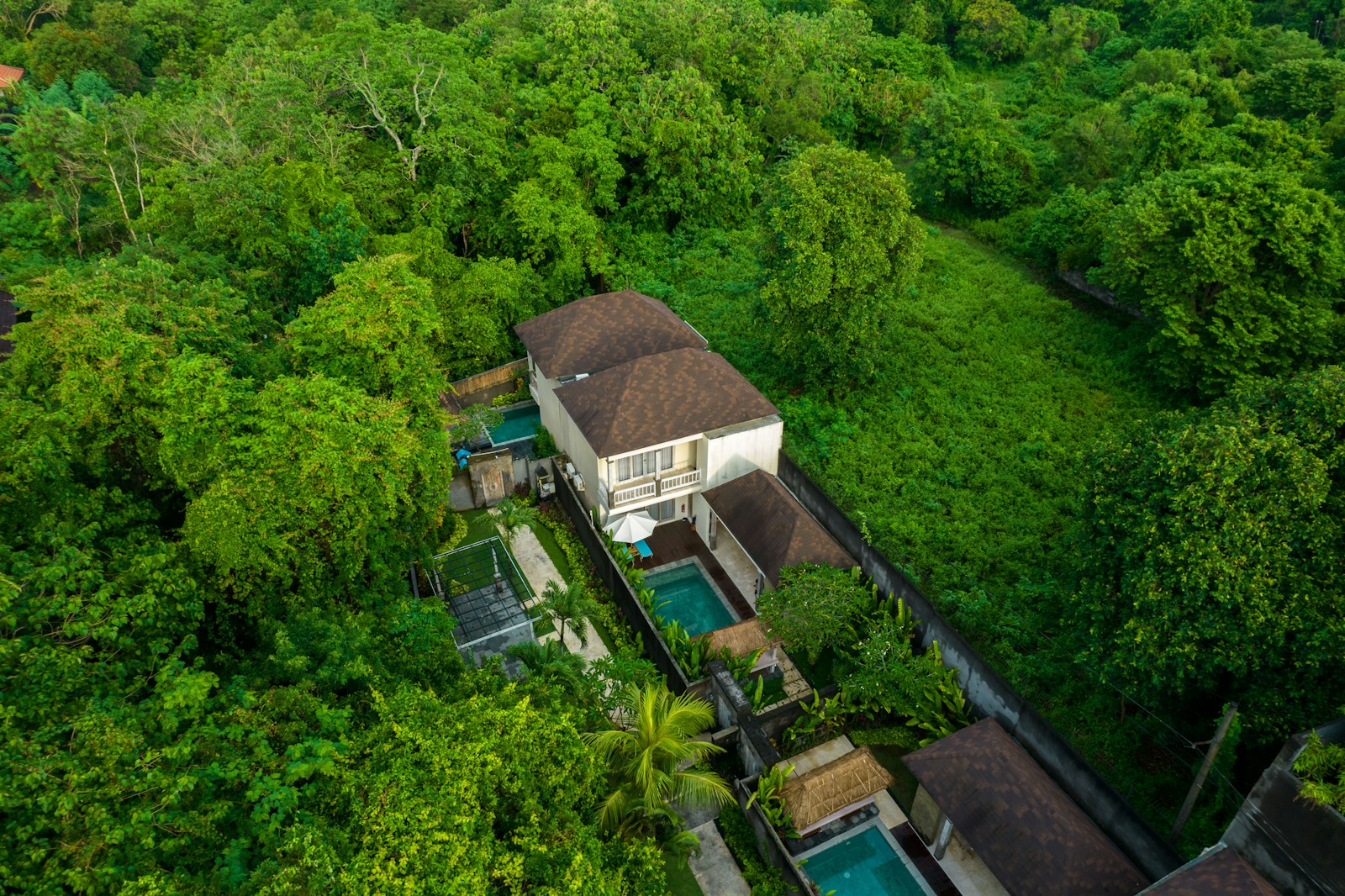
Wahyuni worries about green spaces being sacrificed for villas and resorts. Land once destined for rice paddies now sprouts private pools.
The Silent Shift in Bali’s Economy
Perhaps the most overlooked impact is how Bali’s economy is transforming. Traditionally, Bali depended on:
- Agriculture: rice, coffee, cloves, fruit
- Arts & crafts: carving, silver, textiles
Today, tourism dwarfs these sectors. But with so many locals leaving for jobs abroad, there’s a vacuum:
“Who takes the role to be a picker? There is a gap, eventually relying on outsiders.”
Balinese agriculture is increasingly dependent on non-Balinese laborers. It’s not just about rice fields it’s about cultural identity tied to farming traditions. If those vanish, Bali risks losing part of what makes it unique.
Foreign Buyers & the Land Dilemma
Another fault line is Bali’s red-hot real estate market.
Foreigners particularly from Russia, Australia, and parts of Europe have invested heavily in:
- Villas
- Boutique hotels
- Co-working spaces
- Cafés and restaurants
Wahyuni laments:
“We are increasingly unable to buy a piece of land that we used to dream of.”
Prices have soared. In some areas, prime land now fetches prices rivaling European cities. Locals find themselves priced out, with traditional villages squeezed between high-end developments.
The loss of green space impacts:
- Flood risks
- Water supply
- Cultural landscapes (rice paddies are not just food sources but sacred spaces in Balinese Hinduism)
Overtourism… or Just a Traffic Problem?
Interestingly, Bali’s government denies overtourism. Officials claim hotel capacity and attraction space can still handle visitor numbers.
Bali Tourism Office Head Pemayun insists:
“We are not saying that Bali has overtourism… The only problem is on the roads.”
That’s partly true. Bali’s infrastructure was never built for this level of traffic:
- Narrow roads
- Few bypasses
- Growing rental vehicle fleet
Gridlock plagues hotspots like:
- Ubud
- Canggu
- Seminyak
- Jimbaran
Yet, overtourism is not merely about room numbers. It’s about quality of life, ecological stress, and cultural erosion.
Bali’s Carrying Capacity: Are We Near the Tipping Point?
This brings us to the core question:
Has Bali reached its carrying capacity?
“Carrying capacity” means how many people an area can sustainably support without degrading:
- Natural resources (water, land, biodiversity)
- Infrastructure (roads, waste management)
- Social well-being (local communities, culture)
Indicators suggest Bali is approaching its limits:
- Frequent water shortages
- Trash accumulation (especially plastic)
- Pollution in rivers and seas
- Traffic gridlock harming both tourism and local life
Yet, Bali’s tourism authorities are betting on redistribution promoting:
- North Bali (Lovina, Pemuteran)
- West Bali (West Bali National Park)
Spreading visitors across the island is crucial, but it may not fully solve the underlying strains.
The Global Parallel: Spain, Portugal… Bali Next?
Bali isn’t alone. In Europe, cities like Barcelona and Lisbon have witnessed anti-tourism protests. Locals are fed up with:
- Rising rents
- Displacement
- Crowded streets
Bali has avoided such visible protests so far. But the discontent is simmering.
Many Balinese feel:
- Cultural dilution (foreign customs overshadowing Balinese traditions)
- Economic imbalance (locals earn less while outsiders profit)
- Environmental harm (coastal erosion, water crises)
What Does the Future Hold for Bali?
So where does Bali go from here?
Possible solutions include:
- Tourism caps during peak seasons
- Stronger zoning laws to protect green spaces
- Investment in public transport
- Promotion of lesser-known regions
- Sustainable tourism fees reinvested into conservation
Ultimately, it’s about balance. Tourism is Bali’s lifeblood but too much of a good thing risks killing the golden goose.
A Local’s Voice That Can’t Be Ignored
Wahyuni’s words echo what many Balinese feel:
“So in Bali, which in some corners is experiencing hunger and suffering, is not highlighted. Even covered by the government, so that we are so prosperous and look happy.”
It’s a powerful reminder that tourism images rarely tell the full story.
Behind the waterfalls and sunsets, Bali is wrestling with its own identity. The challenge now is ensuring paradise remains paradise for locals and travelers alike.
Key Issues in Bali’s Population Boom
To sum up, here are the key factors contributing to Bali’s population strain:
- Over 60,000 tourists arriving daily
- Internal migration from other Indonesian provinces
- Foreign property investment driving up prices
- Declining agricultural workforce
- Disappearing green spaces
- Strain on roads and public infrastructure
- Water shortages and environmental stress
- Cultural and social tension due to rapid changes
Final Thoughts: Paradise Needs Breathing Space
Bali’s magic is real but so are its limits. If the island is to keep dazzling travelers while preserving its soul, it’s time for honest conversations about how much is too much.
As travelers, business owners, and policymakers, we all share responsibility to keep Bali thriving, not merely surviving. After all, paradise is only paradise if everyone can still call it home.