
Bali’s Nyepi Day: What Travelers Need to Know About the Day of Silence
Quick Read:
Planning a trip to Bali in March? Be prepared for Nyepi, the Day of Silence, on March 29, 2025. For 24 hours, the entire island shuts down—no flights, no cars, no lights, and no internet in many areas. This unique Balinese Hindu tradition is designed to trick evil spirits into believing the island is uninhabited, ensuring peace for another year. While all businesses close, travelers can still enjoy the experience by staying at resorts with amenities, stocking up on essentials, and embracing the quiet. The day before Nyepi, don’t miss the vibrant Ogoh-Ogoh parade, featuring massive demon effigies burned to cleanse negative energy. The day after, the Omed-Omedan kissing festival offers a joyful welcome to the new year. Whether you stay or opt for a quick getaway to the Gili Islands, understanding Nyepi is key to a smooth and respectful Bali visit.
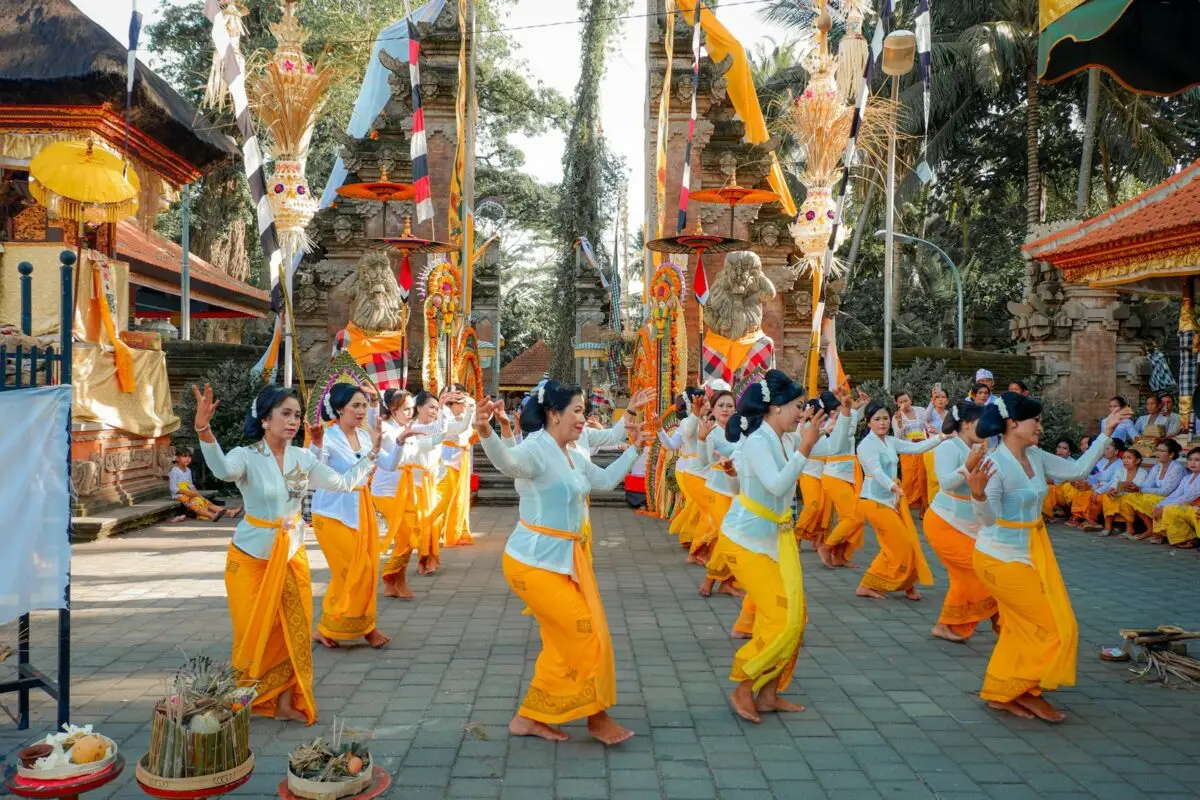
Bali’s Unique Day of Silence: What It Means for Travelers
Every year, Bali comes to a complete standstill for Nyepi, the island’s sacred “Day of Silence.” From sunrise to sunrise, the island shuts down—no flights, no traffic, no lights, and no outdoor activities. This ancient tradition is a deep spiritual reset for the Balinese people, but for travelers, it can be both a challenge and an unforgettable cultural experience. Whether you’re planning a trip or just curious, here’s everything you need to know about Nyepi, how it affects visitors, and how to embrace this special day.
What is Nyepi and Why Does Bali Shut Down?
Nyepi is the Balinese Hindu New Year, celebrated in absolute silence. The Balinese believe that during this time, evil spirits pass over the island. By making Bali appear abandoned, locals trick these spirits into leaving, ensuring peace and harmony for another year. The day is meant for deep reflection, fasting, and meditation.
When is Nyepi 2025?
- Starts: 6:00 AM, March 29
- Ends: 6:00 AM, March 30
For 24 hours, all businesses close, the airport shuts down, and even the internet is turned off in many areas. Everyone—locals and tourists alike—must follow strict rules.
Rules of Nyepi: What You Can and Cannot Do
During Nyepi, the entire island follows these restrictions:
- No travel: You cannot leave your hotel, villa, or homestay.
- No noise: Conversations should be quiet; loud music or TV is discouraged.
- No lights: At night, lights must be kept off or dimmed with curtains drawn.
- No entertainment or work: All businesses are closed, and even beaches are off-limits.
- No internet or phone use: While some hotels still have connectivity, expect a blackout in most areas.
- No flights or ferries: The airport and all ports are closed for the day.
- Emergency services only: Hospitals remain open, but only for life-threatening cases.
Local security teams, known as pecalang, patrol the streets to ensure everyone respects the rules, including tourists.
What Happens If You Break the Rules?
While tourists won’t face harsh legal consequences, they can be escorted back to their accommodation by pecalang if caught outside. Past incidents include foreigners being warned or, in rare cases, deported for blatant disrespect. Simply put, it’s best to embrace the silence and enjoy the experience.
The Night Before Nyepi: The Ogoh-Ogoh Parade
While Nyepi itself is silent, the night before is anything but! March 28 is when the island erupts into celebrations with the Ogoh-Ogoh parade, a must-see event featuring massive demon-like effigies carried through the streets. These grotesque statues symbolize evil spirits and are burned at the end of the night to purify the island.
- Where to See the Best Parades:
- Denpasar (Catur Muka Square) – The largest parade with massive effigies.
- Ubud – A more spiritual and traditional atmosphere.
- Kuta, Seminyak, Jimbaran – Good for tourists staying in the south.
- Local villages – A quieter, more intimate experience.
The Day After Nyepi: Omed-Omedan (The Kissing Festival)
On March 30, the silence is broken with a joyous festival in Denpasar called Omed-Omedan, also known as the “kissing festival.” Young unmarried men and women take part in a playful tug-of-war, where spontaneous kisses happen amidst cheers and water splashes. It’s a lighthearted way to welcome the new year.
How to Prepare for Nyepi as a Tourist
- Stock up on food and drinks: Restaurants and stores will be closed, so buy essentials by March 28.
- Withdraw cash in advance: ATMs may be out of service, so have enough cash on hand.
- Book a hotel with amenities: Resorts often offer indoor activities like yoga, movies, and silent retreats.
- Have a good book or offline entertainment: With no internet, plan to unplug for the day.
- Respect the local customs: Embrace the quiet, and see it as a chance to reflect and recharge.
Can You Leave Bali to Avoid Nyepi?
If you prefer not to experience Nyepi, you can leave Bali before March 29. Options include:
- The Gili Islands: Just a 90-minute speedboat ride away, these islands continue business as usual.
- Lombok: An alternative for those wanting a short escape.
- International Travel: Flights resume after 6:00 AM on March 30.
However, staying for Nyepi can be an enriching experience. Many visitors find it to be a rare opportunity for peace in an otherwise bustling destination.
Final Thoughts
Nyepi is more than just a shutdown—it’s a profound cultural experience that gives travelers a glimpse into Bali’s deep spiritual traditions. While it may seem inconvenient at first, embracing the silence can be surprisingly rewarding. Whether you spend the day meditating, reading, or simply enjoying the stillness, Nyepi offers a unique chance to reset, just as the Balinese do.








One Response
Add your thoughts here….