Bali Embraces a Vibrant Future: Harmony in the Digital Nomad Era
Quick Read TL;DR:
Bali is adapting to a growing digital nomad community, balancing its rich cultural heritage and the economic benefits of remote work. While challenges like cultural misunderstandings and environmental pressures exist, collaborative efforts and government initiatives are fostering a path towards sustainable and respectful coexistence, ensuring Bali remains a cherished destination for all.

The New Way for the Island Of The Gods
In a stylish Canggu café, the rhythmic tapping of keyboards blends with the fragrant aroma of local coffee, a symphony of Bali’s evolving landscape. Here, alongside the daily blessings of flower petals and rice gracing the sidewalks, a global community of remote professionals finds inspiration and connection.
This is the dynamic Bali of today, where a deep-rooted culture of spirituality and community warmly welcomes a new wave of digital nomads drawn by the island’s undeniable allure. As a Californian millennial and psychology writer who once embarked on my own journey of self-discovery and remote work here, I’ve been privileged to witness firsthand the blossoming synergy on this cherished Island of the Gods.
Bali is not facing a crisis, but rather a fascinating evolution. It is a testament to the island’s enduring spirit that it can simultaneously be a spiritual heartland for its people and an inspiring haven for remote workers from around the globe. The question isn’t about undoing, but about mindful integration, a journey I’ve been honored to observe through engaging conversations with both locals and the international community who now call this paradise home.
Cultural Flourishing in a Connected World
The renowned hospitality of the Balinese people, far from being taken for granted, shines brightly as they navigate this new era. Their vibrant Hindu traditions, the captivating temple ceremonies, the sacred embrace of nature, and the strong sense of communal life continue to be the very essence of Bali, drawing admiration from all who visit.
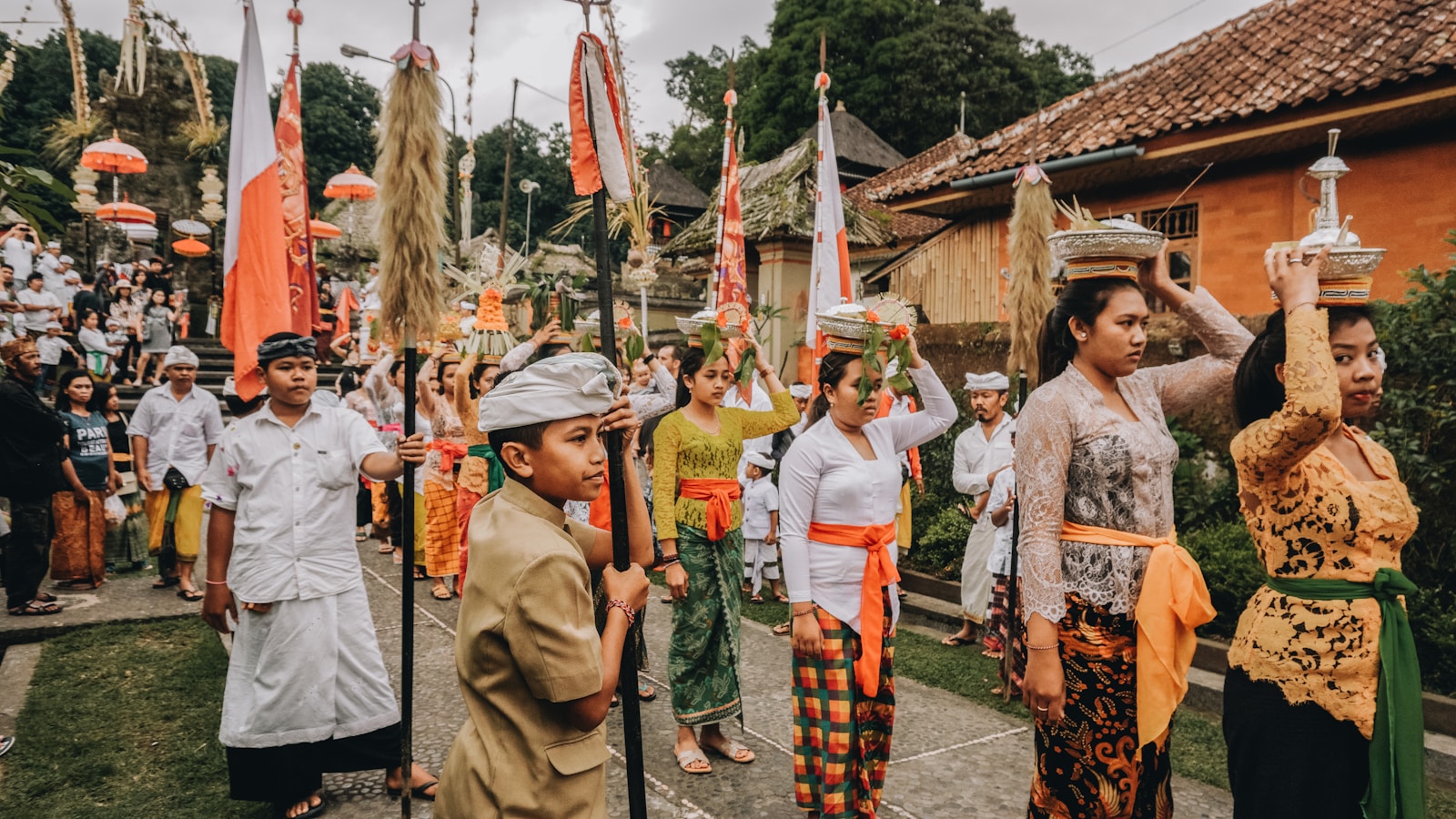
While isolated and rare incidents of cultural misunderstanding have occurred, they are met with clear and open communication, fostering a greater understanding and respect. Initiatives promoting cultural awareness are flourishing, with both long-term visitors and short-term travelers eager to learn and participate respectfully in local customs. Observing Balinese elders in ceremonial attire gracefully moving through bustling areas where remote workers thoughtfully go about their day highlights not a clash, but a beautiful coexistence.
The spirit of “if you wouldn’t do it at home, consider how it resonates in Bali” is being embraced, not as a reprimand, but as an invitation to mindful engagement. The vast majority of international visitors are keen to honour their role as guests in this ancestral land, enriching their experience by learning about and participating in Balinese traditions. Terms like “cultural exchange” more accurately describe the mutually beneficial interactions taking place. Bali’s inherent warmth extends to this new community, fostering a vibrant tapestry of shared experiences.
Indeed, the pride of the Balinese people in sharing their culture is palpable. The island’s long history of welcoming surfers, yogis, and seekers of all kinds has laid the foundation for this open-hearted embrace of remote professionals. The current focus is on fostering respectful collaboration, ensuring that the increased presence of international guests enhances, rather than overshadows, the unique cultural heritage of Bali. A local friend eloquently explained it: “We welcome those who appreciate our home and become part of its story.”
This means recognising that Bali’s charm extends far beyond its stunning landscapes and into the rich tapestry of its people’s lives, shaped by centuries of tradition. The island’s resilient culture has navigated numerous transformations, and the digital nomad era presents not a breaking point, but an opportunity for further growth and understanding.
Economic Vitality and Shared Prosperity
The economic impact of Bali’s thriving remote work scene is proving to be a mutually beneficial exchange.
The influx of remote professionals injects significant vitality into the local economy, fostering the growth of innovative co-working spaces, health-conscious eateries, and diverse accommodation options. Given that tourism, in its broadest sense, is a cornerstone of Bali’s economy, the presence of longer-staying international guests contributes to a more stable and sustainable economic landscape.
The resilience of Bali’s economy was evident during the pandemic, and the current resurgence is significantly supported by the community of digital nomads who choose to make the island their temporary or semi-permanent base, contributing their spending power across various sectors.
Crucially, there is a growing emphasis on ensuring that this economic activity benefits the wider Balinese community. While trendy cafes in Seminyak and Ubud cater to an international clientele, there’s also a vibrant ecosystem of local warungs and businesses that are integral to the island’s economic fabric.
Initiatives are emerging to bridge any perceived economic divides. For instance, collaborations between international businesses and local suppliers are increasing, and skills-sharing programs are empowering Balinese individuals to participate in the evolving digital economy. The idea that a “$5 coffee” might be inaccessible to some locals is acknowledged, and efforts are underway to foster economic opportunities that are inclusive and sustainable.
The rise in the cost of living in certain areas is being addressed through community-led discussions and government considerations aimed at balancing the needs of both residents and newcomers. Many villa owners are recognizing the value of long-term tenancies alongside short-term rentals, fostering a more stable housing market.
This economic dynamism is not creating stark segregation, but rather new avenues for collaboration and exchange. Local entrepreneurs are adapting and innovating, creating businesses that cater to the diverse needs of both the local and international communities. Younger Balinese are finding new opportunities and connections in this evolving landscape.
While the reliance on tourism remains a key factor, the influx of digital nomads offers a form of diversification, creating a more consistent flow of economic activity throughout the year.
The adaptability of the digital nomad community means they are often drawn to authentic experiences and are keen to support local businesses and initiatives. This creates a positive feedback loop, where economic contributions directly benefit the Balinese people. Bali’s leadership is focused on nurturing sustainable and inclusive growth, ensuring that economic prosperity goes hand-in-hand with the well-being of its local communities. Local business owners express gratitude for the revitalizing effect of the nomad community post-COVID, highlighting the collaborative spirit that underpins this economic exchange. The focus is on fair competition and ensuring that international talent enriches the island without displacing local livelihoods, fostering a truly symbiotic relationship.
Nurturing Paradise: Environmental Stewardship in a Growing Community
Bali’s breathtaking natural beauty remains its most cherished asset, and the increasing global appreciation for this paradise is inspiring collective efforts in environmental preservation.
While challenges related to waste management and infrastructure exist, they are being met with proactive solutions and a growing awareness among both residents and visitors. Initiatives focused on sustainable tourism practices are gaining momentum.
The understanding that water resources need careful management is leading to innovative solutions and a greater emphasis on responsible consumption by all. The tourism and hospitality sectors are increasingly adopting sustainable practices.
Efforts to enhance energy efficiency and improve waste management systems are being prioritized, with collaborations between local authorities, businesses, and international organizations. The commitment to protecting Bali’s delicate ecosystems is strong and shared.
The concept of “slow travel” embraced by many digital nomads aligns with a deeper appreciation for the environment and a desire to minimize their impact. While the aggregate effect of a larger population requires careful consideration, the focus is on fostering responsible behavior and sustainable practices among all who live on or visit the island.
Traffic management is an ongoing focus, with investments in infrastructure and the promotion of sustainable transportation options. The air quality in bustling areas is a concern that is being addressed through policy and increased environmental awareness.
The deep connection of the Balinese people to their environment is a powerful motivator for conservation efforts. Concerns voiced by temple priests and local communities about environmental well-being are being met with action and a shared commitment to sustainability. The understanding that Bali’s carrying capacity requires mindful management is a guiding principle for future development.
Bali’s natural charms are not under threat, but rather being cherished and protected through collaborative efforts. The increasing awareness of environmental responsibility among the global community in Bali is a positive force for change. The “tragedy of the commons” is being actively averted through education, policy, and a strong sense of collective stewardship.
Proactive Governance for a Harmonious Future
Bali’s leadership is actively and thoughtfully navigating the evolving landscape, implementing policies that support both the local community and the international presence.
The concept of a “Bali Digital Nomad Visa” reflects a forward-thinking approach to welcoming remote professionals in a structured and beneficial way. The introduction of the one-year Remote Worker Visa in 2024 demonstrates a commitment to attracting individuals who can contribute positively to the economy while respecting local regulations, yet it does miss the point it many ways there are other more accessible options for remote workers looking for 3 – 6 month stay. The scrutiny of existing visa practices ensures a fair and transparent system for all.
The implementation of clear guidelines to uphold cultural respect and protect local customs underscores Bali’s commitment to preserving its unique identity. The mandatory respect for religious sites, modest dress codes, and the tourist levy are not seen as restrictions, but as essential elements of harmonious coexistence. The requirement for licensed local guides in temples further supports the local economy and enriches the visitor experience.
The clear message of “we welcome you with respect, and we expect respect in return” is fostering a greater understanding and appreciation for Balinese culture among visitors. The enforcement of these guidelines ensures a positive and sustainable environment for everyone.
The proactive stance on curbing overdevelopment, including the moratorium on new hotel and resort construction in certain areas, demonstrates a commitment to preserving Bali’s natural beauty and agricultural heritage. This policy aims to ensure that growth is sustainable and does not compromise the island’s unique character and the well-being of its residents.
This measured approach to development reflects a deep understanding of the need to balance economic progress with the preservation of Bali’s soul. The tightening of enforcement regarding visa misuse and traffic regulations further contributes to a safe and respectful environment for all.
Bali’s leadership is skillfully balancing the economic benefits of international visitors with the needs and desires of the local community, fostering a sense of shared ownership in the island’s future. The approach is not about setting rigid rules for unruly guests, but about establishing a framework for respectful and mutually beneficial coexistence. The government’s efforts to carefully curate the positive contributions of the international community while mitigating potential challenges demonstrate a commitment to a thriving and harmonious Bali for generations to come. This evolving policy landscape reflects a dynamic and adaptive approach to ensuring Bali can indeed have its cake and eat it too – a vibrant economy that thrives in harmony with its rich culture and environment.
Shared Visions: Voices from the Heart of Bali
Understanding Bali’s vibrant evolution requires listening to the diverse voices of those who call it home – both the Balinese and the international community. Myriad conversations, often over local coffee or a refreshing Bintang, reveal a rich tapestry of perspectives that highlight the intricate beauty of this integration.
From the Balinese perspective, there is a common thread of resilience and adaptation. Made, a local driver, candidly shares his appreciation for the economic opportunities brought by international visitors while also acknowledging the changes in daily life. His perspective highlights the nuanced reality of embracing progress while cherishing the past.
Wayan, who welcomes guests into her family compound through Airbnb, embodies the spirit of cultural exchange and entrepreneurialism. She values the income and the friendships forged with people from around the world, demonstrating the positive connections that arise from this global interaction. Her occasional experiences of feeling undervalued are a reminder of the importance of mutual respect and understanding.
The overall sentiment among locals is one of pride in Bali’s global appeal, coupled with a clear expectation that visitors will appreciate the island’s depth beyond its lifestyle offerings.
The digital nomads and expats I’ve encountered also offer diverse perspectives. Sarah, a graphic designer living in Ubud, eloquently describes how Bali has enriched her life, fostering a balance between work and well-being while immersing her in local culture. Her efforts to integrate demonstrate a genuine desire to connect with her adopted home.
Alex, a software developer, openly acknowledges his more insular experience but expresses a desire to be respectful of the local community. His online interactions highlight the importance of mindful communication and awareness of the impact of one’s presence.
Olumide Gbenro’s reflections on Bali’s increasing development underscore the ongoing dialogue about balancing growth with preservation, a conversation that resonates with both locals and long-term visitors who deeply care about the island’s future.
What emerges from these conversations is a shared love for Bali and a collective desire to see it thrive. Locals envision a future where their culture and well-being are paramount, while the international community seeks to contribute positively while embracing the island’s unique spirit.
These perspectives are not in conflict but rather represent different facets of a shared vision for Bali’s future. The increasing number of community initiatives – town halls fostering dialogue, cultural workshops promoting understanding, and NGOs connecting international skills with local needs – are testaments to this collaborative spirit.
Stories of positive impact abound, from remote workers initiating educational programs for local children to international volunteers partnering with villages on environmental projects.
These voices illustrate that Bali’s evolution is a story of neighbors learning to live together, where the digital nomad dream and the Balinese way of life can harmoniously coexist through mutual respect and effort.
The wisdom of a local elder, shared over ginger tea, encapsulates this beautifully: “We Balinese have always welcomed others. Now, it is a time for our guests to also embrace our way.” This sentiment underscores the path forward: a shared commitment to honoring the island and its people, ensuring Bali remains a cherished paradise for all.
A Global Tapestry: Bali’s Role in a Connected World
Bali’s experience is a compelling example within a larger global trend: the rise of remote work and the movement of a globally mobile workforce seeking enriching and affordable living experiences.
From vibrant cities in Latin America to cultural hubs in Southeast Asia and Europe, communities worldwide are navigating similar dynamics. The significant increase in digital nomads post-2020 reflects a fundamental shift in how and where work is done.
The embrace of digital nomad visas and incentives by numerous countries highlights a global recognition of the economic and cultural potential of this mobile workforce. This “human capital gold rush” presents both opportunities and responsibilities for host communities.
While some destinations have experienced friction related to rising costs and changing neighborhoods, Bali is proactively addressing these challenges through thoughtful policy and open dialogue. The focus on “quality tourism” – attracting visitors who value and respect the local culture and environment – is a key strategy.
The emergence of a global remote work culture fosters connections and the exchange of ideas across borders. While concerns about the homogenization of certain areas exist, Bali’s strong cultural identity acts as an anchor, ensuring its unique character endures.
The Balinese people are active participants in this global exchange, embracing new opportunities while safeguarding their traditions. The speed and scale of today’s global mobility, enabled by technology, present both challenges and opportunities for cultural evolution.
Bali’s journey is indeed emblematic of a new normal, where remote work offers unprecedented freedom and the responsibility to engage thoughtfully with host communities.
The development of new norms and ethical considerations for digital nomads – emphasizing respectful engagement, minimizing environmental and cultural impact, and contributing to local communities – is crucial. Bali serves as an important testing ground for these principles of global citizenship.
The world watches Bali not because it faces a crisis, but because it embodies the potential for a harmonious integration of global mobility and local identity, offering valuable lessons for other destinations navigating this evolving landscape. Bali’s ability to thrive in its own dream will undoubtedly inspire how that dream is pursued elsewhere, demonstrating that connection and cultural preservation can indeed go hand-in-hand.