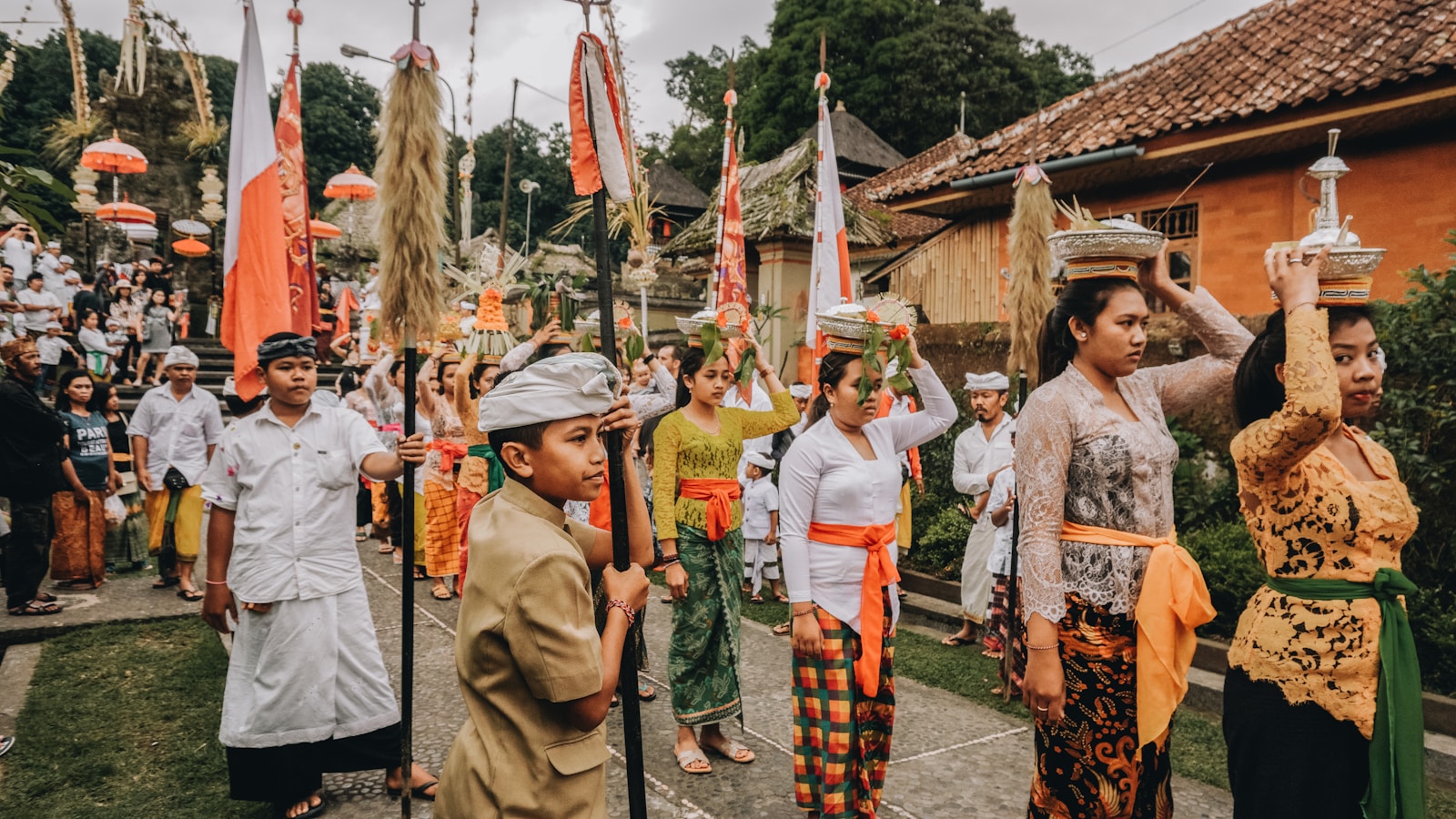
Bali is gearing up for a massive tourism comeback, setting its sights on welcoming 6.5 million international visitors in 2025. With ambitious goals and strategic planning, the island is looking to cement its status as one of the world’s most sought-after destinations. But beyond the tourist numbers, this push is also a critical step in Bali’s economic recovery post-pandemic. Let’s take a closer look at how Bali is rising to the occasion and what this means for travelers, locals, and businesses alike.
Bali’s Bold 2025 Tourism Targets
According to Tjok Bagus Pemayun, the Head of Bali’s Tourism Office, the island aims to attract 6.5 million international visitors and 10.5 million domestic tourists in 2025. This follows an impressive recovery in 2024, where Bali welcomed approximately 6.3 million international tourists. Including foreign tourists arriving via domestic routes, the total international arrivals likely exceeded 7 million last year.
Achieving these numbers isn’t just about bragging rights. Tourism is the backbone of Bali’s economy, contributing significantly to local livelihoods. The pandemic hit the island hard, but this renewed focus on tourism is a clear sign that Bali is ready to bounce back stronger than ever.
Challenges on the Horizon
While the goals are ambitious, they’re not without challenges. Several key issues need to be addressed to ensure Bali’s tourism revival is both sustainable and successful:
- Traffic Congestion: Bali’s narrow roads often struggle to accommodate the growing number of vehicles, particularly in tourist hotspots like Kuta, Ubud, and Seminyak.
- Waste Management: Bali’s beautiful beaches and lush landscapes face ongoing threats from waste pollution. Proper waste disposal and recycling systems are critical for maintaining the island’s natural allure.
- Land Use Changes: Rapid development and land-use changes pose risks to Bali’s unique cultural and environmental identity. Striking a balance between growth and preservation is vital.
The provincial government recognizes these hurdles and is taking proactive measures. Plans include strengthening law enforcement, working as regulators and facilitators, and collaborating closely with tourism stakeholders to implement practical solutions.
Calendar of Events: A Key Tourism Strategy
One of the standout initiatives for 2025 is Bali’s comprehensive Calendar of Events. The Bali Tourism Office has unveiled 54 events designed to showcase the island’s rich cultural and natural heritage. Highlights include:
- Ogoh-Ogoh Parade (March): This iconic event takes place on the eve of Nyepi, Bali’s Day of Silence. Giant, intricately crafted effigies are paraded through the streets in a vibrant celebration.
- Bali International Air Show (September): A thrilling addition to the island’s event calendar, this show aims to draw aviation enthusiasts and tourists alike.
- Cultural Festivals: With 45 cultural highlights, the calendar reflects Bali’s deep-rooted traditions, offering travelers an immersive experience into the island’s unique way of life.
These events aren’t just about entertainment. They’re strategic tools to attract diverse audiences, encourage longer stays, and boost spending, directly fueling Bali’s economy.
The Role of Sustainable Tourism
Sustainability is at the heart of Bali’s tourism revival. The government and local businesses are emphasizing eco-friendly practices to protect the island’s natural and cultural assets. Initiatives include:
- Promoting eco-tourism activities like hiking, snorkeling, and wildlife conservation tours.
- Encouraging accommodations and restaurants to adopt sustainable practices, such as reducing plastic use and sourcing locally.
- Educating visitors about responsible tourism through campaigns and community engagement.
By prioritizing sustainability, Bali isn’t just securing its future as a tourist destination but also ensuring that tourism benefits local communities and ecosystems.
Economic Recovery Through Tourism
Tourism has always been a lifeline for Bali’s economy. Before the pandemic, the sector contributed over 50% of the island’s GDP. The pandemic’s impact was devastating, with businesses closing, unemployment rising, and many families struggling to make ends meet.
The renewed focus on tourism is already showing positive signs:
- Job Creation: From hotel staff to tour guides, the resurgence of tourism is bringing back jobs across various sectors.
- Boosting Local Businesses: Small businesses, from warungs (local eateries) to art markets, are seeing increased foot traffic as tourists return.
- Infrastructure Development: Investments in roads, airports, and public facilities are not only enhancing the tourist experience but also benefiting residents.
Why Bali Remains Irresistible
Despite the challenges, Bali’s allure remains undeniable. Here’s why travelers keep coming back:
- Natural Beauty: From the iconic rice terraces of Ubud to the pristine beaches of Nusa Dua, Bali’s landscapes are breathtaking.
- Rich Culture: Bali’s unique blend of Hindu traditions, arts, and ceremonies offers a cultural experience like no other.
- Warm Hospitality: The Balinese are known for their welcoming and friendly nature, making every visitor feel at home.
- Diverse Activities: Whether you’re a surfer, foodie, yoga enthusiast, or history buff, Bali has something for everyone.
Bullet Points: Quick Facts and Tips
- Bali aims to attract 6.5 million international tourists and 10.5 million domestic visitors in 2025.
- Traffic congestion, waste management, and land-use changes are key challenges.
- The 2025 Calendar of Events features 54 events, including cultural festivals and the Bali International Air Show.
- Sustainable tourism practices are being prioritized to protect Bali’s natural and cultural assets.
- Tourism plays a vital role in Bali’s economic recovery, creating jobs and supporting local businesses.
- Bali’s top attractions include its beaches, rice terraces, temples, and vibrant cultural scene.
Why Bali’s Comeback Matters
Bali’s ambitious tourism goals for 2025 aren’t just about numbers; they’re about resilience, sustainability, and community. As the island balances growth with preservation, it’s setting an example for other destinations worldwide. For travelers, this is the perfect time to experience Bali’s magic while supporting its recovery efforts. Whether you’re planning your first trip or your tenth, Bali is ready to welcome you with open arms.
- “Bali’s Bold Comeback: 6.5 Million Tourists in 2025?”
- “Inside Bali’s Plan to Welcome Millions in 2025”
- “Bali 2025: Can the Island Hit 6.5 Million Tourists?”
- “Why Bali’s 2025 Tourism Boom Is Different”
- “From Challenges to Comeback: Bali’s Tourism Vision”
- “Sustainability Meets Tourism: Bali’s 2025 Strategy”
- “Bali Tourism Goals: What 2025 Has in Store”
- “How Bali Plans to Bounce Back in 2025”
- “Bali’s Tourism Revival: A Plan for 6.5 Million Visitors”
- “Experience Bali in 2025: What’s New for Travelers?”