Bali’s Hidden Side: 7 Magical Escapes Locals Hope You’ll Keep a Secret
Quick Read TL;DR
Escape the Bali crowds and discover the island’s best-kept secrets—from misty jungle kitchens in Munduk to sunrise temple visits in Tabanan, and the peaceful rice terraces of Sidemen. This guide reveals seven magical spots where you can experience authentic Balinese culture, cuisine, and connection far from the tourist trail. Whether you’re joining a street food tour in Amlapura or soaking in the quiet charm of Candi Dasa, these destinations offer a deeper, slower way to travel. Ideal for travellers seeking real experiences without the selfie sticks. Get ready to fall in love with the Bali locals already know and cherish.

Escape the crowds, dodge the influencers, and step into the real Bali—where rice paddies still whisper in the wind, temples stand quietly at dawn, and dinner is cooked over wood fires deep in the jungle. If you think Bali is all beach bars and Bintang, think again. Here’s your insider guide to the authentic side of Bali that most tourists never see.
🌿 Welcome to Bali’s Other Side
Bali is changing—fast. What was once a sleepy paradise filled with rice fields and temple ceremonies has, in some parts, become an island of mega-villas, beach clubs, and Dubai-style ambitions. But here’s the thing: you don’t have to go far to find the Bali that locals, lovers, and long-timers still hold dear.
By heading north, east, or west, you’ll stumble into landscapes that haven’t bowed to development, where the sound of running water replaces traffic and the scent of wood smoke tells you dinner’s on the way. This isn’t just an article—it’s a call to the curious: skip Seminyak, and come see the soul of Bali.
🌄 1. Jungle Cooking in Munduk: Flavours from the Forest
Let’s start in Munduk, in Bali’s cool, misty highlands, where waterfalls tumble, marigolds bloom, and jungle cooking takes centre stage. Here, you’ll meet Made, a local guide who’ll lead you through the dense greenery pointing out cloves, nutmeg, and even the infamous white trumpet flower—yes, the hallucinogenic one his grandfather warned him about.
The real magic? A jungle kitchen where Made’s wife and friend prepare a four-course Balinese feast over open fire. Think traditional cooking methods, ingredients plucked from nature, and zero tourists in sight.
You can arrange the class through Munduk Cabins, a stylish, five-star mountaintop escape with magnesium pools, fire pits, and treehouse vibes. After a jungle lunch, return to your villa, soak in a hot tub overlooking the canopy, and toast to the fact that you’re nowhere near a beach club.
Local Tip: Ask staff at Munduk Cabins about their waterfall treks. Banyumala is a must-visit, especially early morning when it’s just you and the mist.
🚴♂️ 2. Temple Timing in Tabanan: The Secret to Beating the Crowds
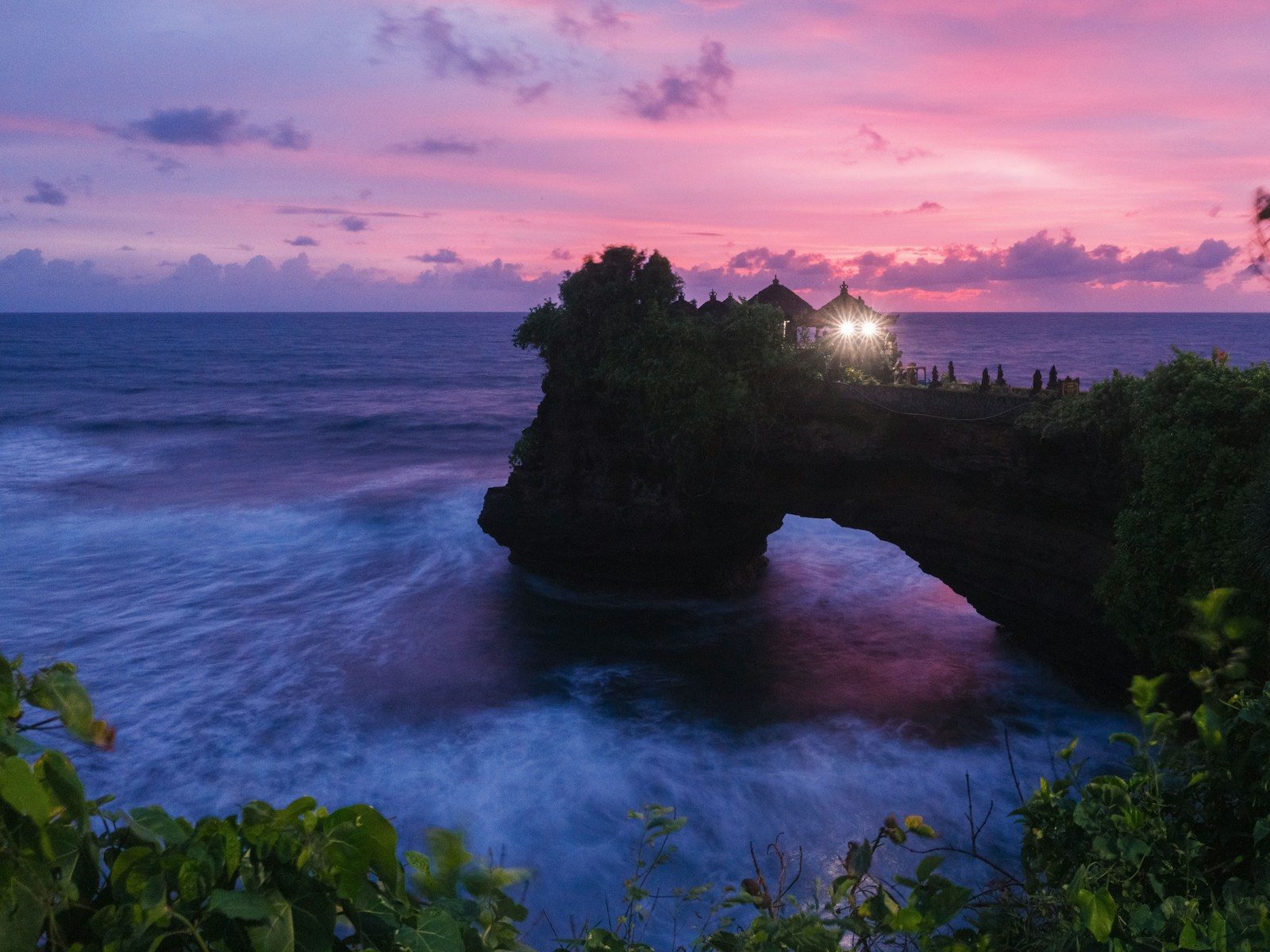
Tanah Lot is one of Bali’s most visited temples—and one of its most overrun by tour buses and selfie sticks. But what if you could have it all to yourself?
That’s what Nirjhara, a boutique eco-stay in Kedungu (just west of Canggu), is offering. Every morning just after sunrise, they host guided bike rides through rice fields, past quacking ducks, and all the way to the sea temple. By 7:30am, it’s just you, the waves, and one of Bali’s most sacred spots.
Locals whisper that the temple carries a curse for couples (bad luck if you’re unmarried and visit together), but solo travellers? You’re golden.
After the Ride: Chill back at Nirjhara with a spa session or order the Laksa Melayu at their Ambu restaurant. You’ll feel miles away from the Canggu chaos—and you are.
🍢 3. Street Eats in Amlapura: Beyond Nasi Goreng
East Bali is often overlooked by tourists, which is a shame because it’s one of the island’s richest regions for food, culture, and genuine local life. Enter Penelope Williams Aussie chef and founder of Bali Asli, a cooking school and restaurant tucked into the hills above Amlapura.
Penelope doesn’t just teach recipes—she teaches connection. Join her on a walk through Amlapura’s streets and markets where she’ll introduce you to her go-to warungs and favourite stallholders.
One highlight? The martabak-and-chilli challenge. Bite the chilli (don’t chew), then the pickled cucumber (also no chewing), then the martabak—and finally chew it all together. You’ll never forget it.
Sweet Finish: Es campur, a chaotic but delicious dessert of shaved ice, condensed milk, fruit, and anything else they can find. No instructions necessary—just dive in.
🏝️ 4. East Coast Calm: Alila Manggis & the Charm of Candi Dasa
Candi Dasa isn’t cool. And that’s why it’s perfect.
Half-forgotten by the masses, this sleepy coastal town in East Bali offers quiet beaches, traditional ceremonies, and an absence of noise—digital or otherwise.
Stay at Alila Manggis, a serene resort where every detail feels handcrafted. Rooms start from around $200 and come with views of Mt. Agung, soft sea breezes, and a vibe that’s all about “less is more.”
Extra Bonus: It’s just a 30-minute taxi to Bali Asli. Combine a stay at Alila with a Penelope-led food tour and you’ve got a perfect Bali itinerary without ever stepping foot in Kuta.
🧘 5. Sidemen: The Bali That Time Forgot
Think of Sidemen as Ubud before Ubud got Instagram-famous.
Nestled in East Bali’s valleys, this peaceful region is full of weaving villages, terraced rice fields, and sacred temples. Wake to birdsong, join a Balinese priest for morning offerings, or learn the dying art of songket weaving from local women.
Where to Stay: Wapa di Ume Sidemen offers luxe eco-lodging with sunrise views of Mt. Agung and no nightclub in sight.
☕ Bonus Angle: The Case for Slow Travel in Bali
Let’s be real: seeing all of Bali in one trip is impossible. So why not pick one of these quiet regions and really sink in?
Skip the bucket list, and start a bucket soak. Trade FOMO for jungle feasts. Learn from locals. And leave Bali better than you found it.
Slow travel isn’t just a trend it’s the antidote to overtourism. The more travellers who turn left when everyone else turns right, the more chance Bali has of staying Bali.
🗺️ Still Planning? Here’s a Quick Guide to Bali’s Best Hidden Corners
| Region | Vibe | Best For | Where to Stay |
|---|---|---|---|
| Munduk | Misty Highlands | Jungle treks, cooking classes | Munduk Cabins |
| Tabanan/Kedungu | Rice fields & temples | Early temple visits | Nirjhara |
| East Bali | Coastal & cultural | Markets, cooking, mountain views | Alila Manggis |
| Amlapura | Market town energy | Foodies, cultural immersion | Day trip from Alila |
| Sidemen | Peaceful countryside | Slow travel, traditional crafts | Wapa di Ume Sidemen |
🧳 20 Quick Tips for Experiencing the Real Bali
- Skip Seminyak & Canggu. Seriously.
- Head to Munduk for clean air and cooler temps.
- Try a jungle cooking class nothing tastes better.
- Visit Tanah Lot at 7am. You’ll thank us.
- Learn one word of Balinese: “Suksma” (thank you).
- Choose a homestay or eco-resort over a chain hotel.
- Avoid feeding monkeys (especially near temples).
- Explore East Bali by motorbike or hire a driver.
- Embrace cold showers they’re often the most refreshing.
- Eat where the locals eat.
- Watch the sun rise from Sidemen, not Mt. Batur.
- Respect temple dress codes: sash and sarong, always.
- Travel with refillable water bottles.
- Visit the markets early for the freshest finds.
- Buy locally made crafts—not imported trinkets.
- Ask before taking photos, especially in villages.
- Avoid overplanning. Let Bali lead the way.
- Try street food (with a local if you can).
- Give yourself days with no itinerary.
- Return to Bali not to check more off, but to go deeper.
☀️ Wrapping It Up: The Bali You’ve Been Looking For
You don’t have to go far to find the real Bali. You just have to go the opposite direction of everyone else.
Step away from the Instagram queues and into a jungle kitchen. Ride a bike to a sacred temple while the world sleeps. Laugh with a market vendor over your failed attempt at Bahasa. That’s the Bali that sticks with you.
📌 And that’s the Bali worth protecting.