
Bali
What Authentic And Non-Touristy Bali Actually Means
Let’s talk about what “authentic” and “non-touristy” Bali actually means (And maybe help people get better recommendations) Something might be getting in the way of

Let’s talk about what “authentic” and “non-touristy” Bali actually means (And maybe help people get better recommendations) Something might be getting in the way of

Bali’s tourism strategy for 2026 marks a major shift toward quality over quantity, targeting 6.63 million international visitors while introducing stricter immigration controls and sustainable travel initiatives. With a focus on high-value tourists, eco-tourism, and Asia-Pacific markets, Bali is redefining its global tourism identity. This evolution reflects a broader move toward responsible travel, cultural preservation, and long-term economic stability. Whether you are a traveller, digital nomad, or investor, understanding these changes is essential to navigating Bali’s next chapter.
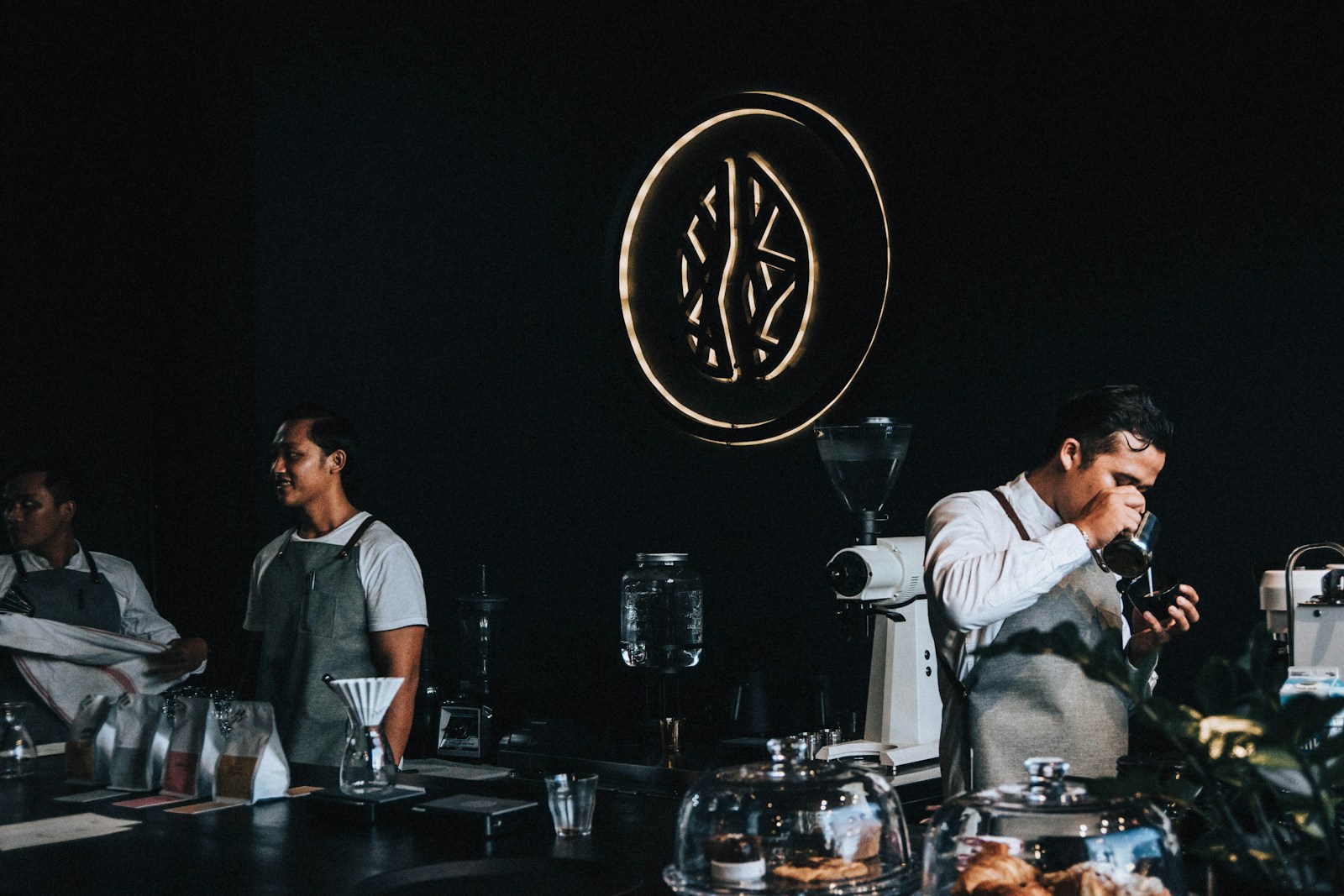
Canggu 2025 – Bali’s Canggu isn’t just trending — it’s evolving into a destination that challenges travel clichés. With surf breaks that welcome beginners and seasoned riders alike, Instagrammable cafés, robust coworking infrastructure, vibrant nightlife and still-quiet rice paddy corners, Canggu draws all kinds of travellers. But behind the glossy posts lies tension: development encroaching on tradition, traffic snarls, environmental stress, locals feeling pushed to the periphery. This post goes beyond the must-see list. It dives into “invisible Canggu” — the daily rhythms, local voices, the spaces you might miss — and offers a more grounded way to explore this dazzling yet vulnerable Bali hub.
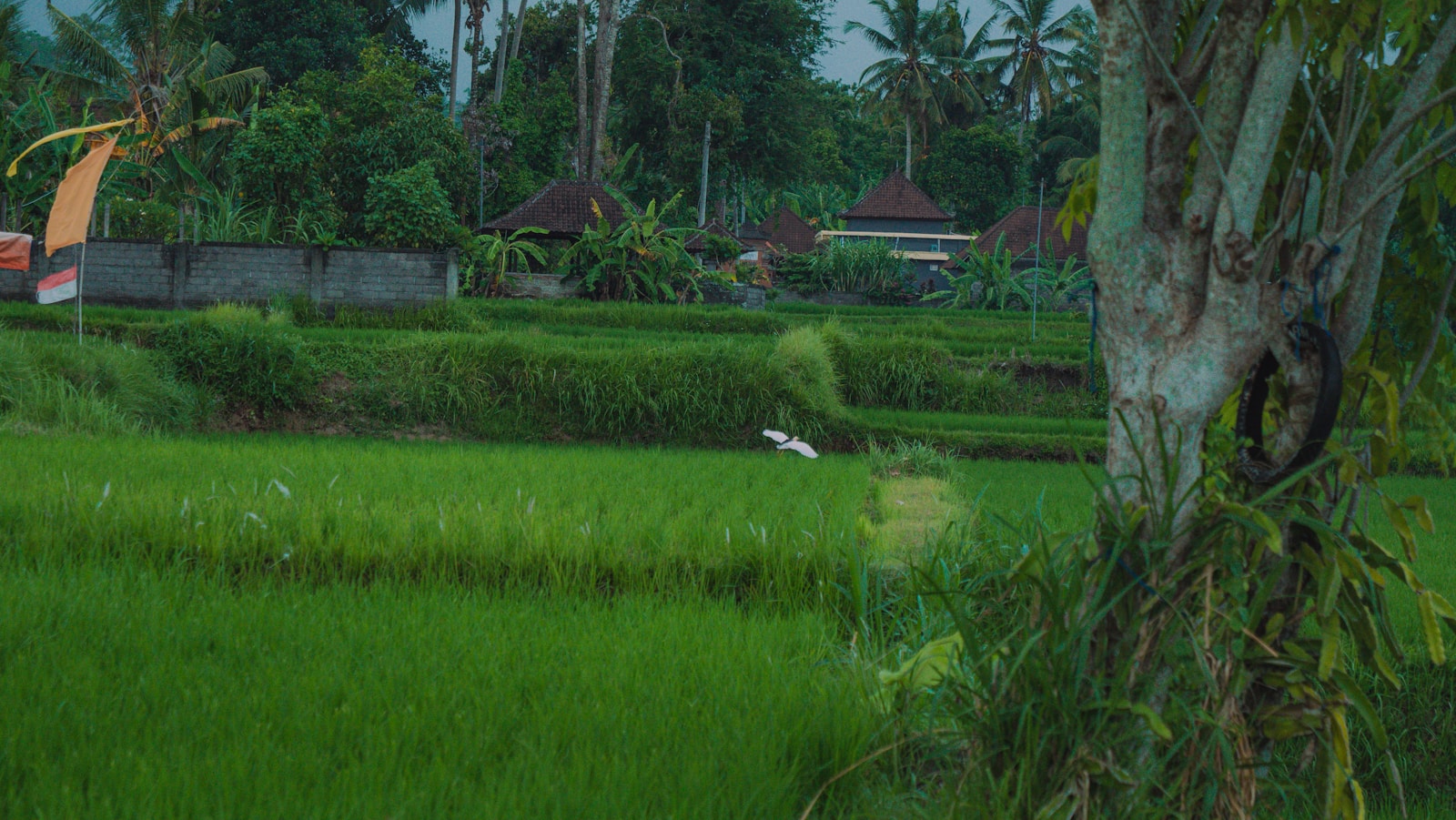
Seseh, once a quiet farming and fishing village on Bali’s southern coast, is quietly transforming into a thriving wellness and nomad enclave. With sunrise yoga by the sea, nourishing cafés, community runs, and wellness hubs just around the corner, it offers a rare fusion of connection, calm and creative energy. In this article we explore why visitors and digital nomads are swapping busier hubs like Canggu for Seseh’s slower pace, what makes the lifestyle here so magnetic, and how this village might just become a blueprint for sustainable, community-centred tourism in Bali’s future.

Bali is on track to smash its 2025 tourism targets, with international arrivals surpassing 7 million and Ngurah Rai Airport handling over 2.3 million passengers in August alone. July saw nearly 700,000 foreign visitors, marking an 11% year-on-year increase. Australia, India, China, France, and South Korea lead the surge, while domestic tourism adds resilience. New tools like the All Indonesia App are streamlining arrivals, while niche markets in wellness, eco-tourism, and digital nomadism are broadening appeal. As Bali balances record-breaking growth with sustainability challenges, the island is redefining itself as a year-round global destination.

🚀 Bali Then & Now: How Tourism Hotspots Are Transforming and Where to Look Next Bali isn’t the same Bali you saw in travel brochures

If you’re a digital nomad in Bali or Southeast Asia, Starlink just became your new best friend. Thanks to a Quick Read TL;DRr upgrade called beam switching, you can now enjoy high-speed satellite internet — even with trees or partial obstructions blocking your dish. Combine that with recent price drops (now under $40/month in some areas) and plug-and-play hardware, and you’ve got a mobile-friendly internet solution perfect for jungle villas, vans, or boats. No more cutting trees or struggling with flaky mobile data. Whether you’re working from Amed, Ubud, or Sidemen, Starlink makes location freedom finally practical — and affordable.

Bali isn’t broken — but it’s definitely buckling under the weight of mass tourism. From plastic-filled beaches to unbearable traffic and aggressive touts, visitors are discovering the island paradise isn’t always what it looks like on Instagram. In this raw and real guide, we unpack the tourist reviews that pull no punches, explore the deeper problems Bali faces, and ask: how can we do better — as travelers and as a global community that truly loves Bali?

Canggu at a Crossroads: How Overtourism and the Digital Nomad Boom Are Shaping Bali’s Hippest Village Quick Read TL;DR Canggu, Bali’s hipster hotspot, has transformed

Bali isn’t what it used to be — and that’s not a bad thing. While popular areas like Canggu and Uluwatu have exploded with development, traffic, and rising prices, the true soul of Bali still thrives in the mountains, rice fields, and quiet villages most travelers never see. From the chaos of the digital nomad hubs to the untouched serenity of Sidemen and Jatiluwih, Bali remains a layered, living island that adapts while staying deeply rooted in culture. If you’re wondering whether Bali is overrated, maybe you’re just looking in the wrong places. Here’s what’s really changed — and why it might be exactly what keeps Bali magical.