Why Bali Is Cracking Down on Bad Tourists — And Why Most Visitors Have Nothing to Worry About”
Quick Read TL;DR
Bali is once again in the headlines as local politicians call for faster deportations of badly behaved tourists. But is the island truly drowning in unruly foreigners, or is this mostly hype fueled by viral social media clips? Despite the noise, less than 0.01% of Bali’s millions of foreign visitors end up deported each year. Still, rising concerns about visa abuse and foreign-linked crime are prompting officials to act. In this article, we unpack the real numbers, explore why Bali’s tourism reputation matters so much, and reveal how a tiny minority of disrespectful tourists could shape the island’s future — and yours if you’re planning a visit.
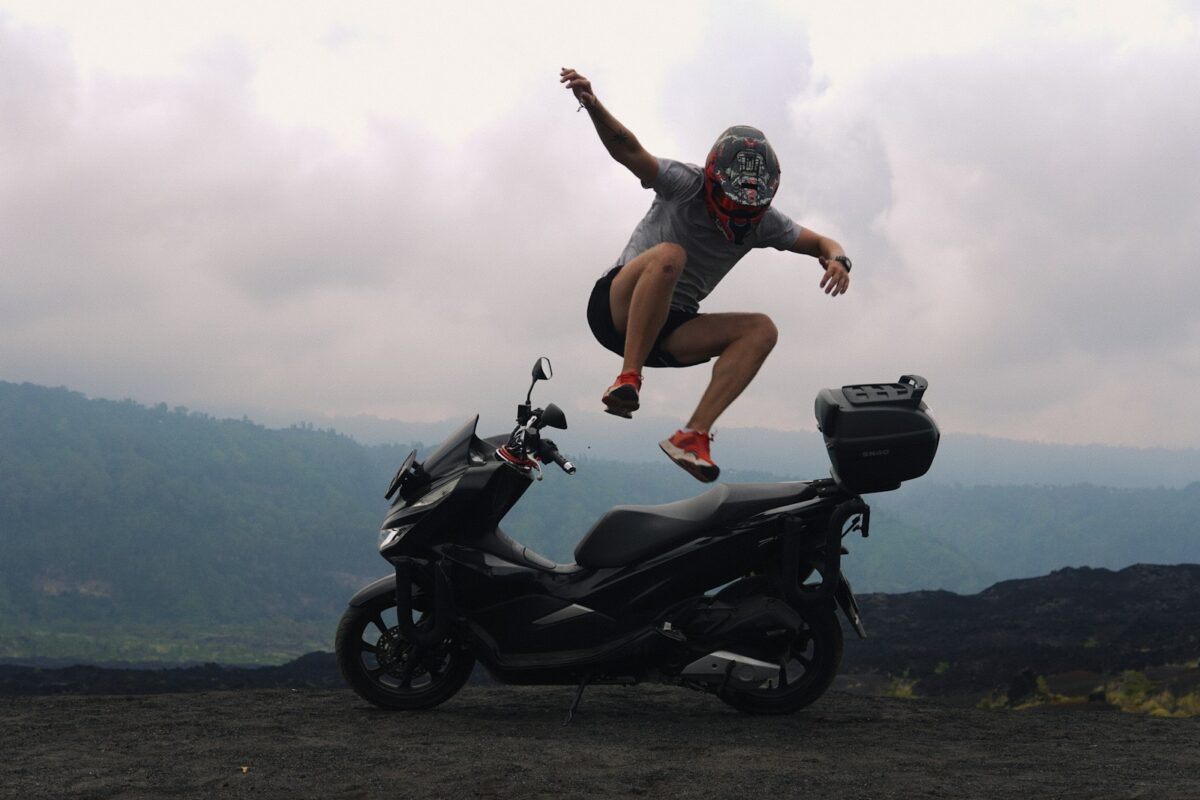
Bali — the famed Island of the Gods — isn’t just famous for its rice terraces, beach clubs, and jungle retreats. Lately, it’s become equally well-known for a different kind of viral content: foreign tourists behaving badly. From scantily-clad influencers posing on sacred sites to drunken brawls in the streets, social media has painted a picture of chaos. But how real is this narrative?
Politicians in Bali have once again raised their voices, calling for quick deportations of “bad tourists.” Yet the statistics tell a more nuanced story. Of the over 6.3 million foreign tourists who visited Bali in 2024, fewer than 600 people were deported — less than 0.01%. So why the ongoing political pressure and public uproar?
Let’s unpack what’s really going on — and how it affects Bali’s reputation, economy, and travelers like you.
THE SOCIAL MEDIA SPOTLIGHT: WHERE BAD BEHAVIOR GOES VIRAL
It’s almost become a genre of content on TikTok and Instagram: Bad tourist in Bali. A young foreigner is filmed:
- Screaming at police.
- Riding a motorbike naked through Canggu.
- Climbing temple gates for a photo-op.
- Running a business illegally under a tourist visa.
The videos spread like wildfire, sparking outrage and calls for deportations.
But here’s the kicker: the same handful of videos often circulate for months or years. Old incidents resurface as “breaking news,” making it seem like the island is in perpetual crisis.
It’s true that a few tourists behave appallingly. But statistically, the vast majority visit Bali respectfully, spend money, and go home with nothing but good memories.
THE NUMBERS DON’T LIE: HOW MANY BAD TOURISTS DOES BALI REALLY HAVE?
Let’s look at hard numbers:
- In 2024, Bali welcomed over 6.3 million foreign tourists.
- Only about 600 were deported for any reason — including overstays, criminal behavior, or visa violations.
- That’s roughly 0.009% of total foreign visitors.
In other words, about 1 in every 10,500 tourists ends up deported.
While deportations certainly make headlines, they’re the rare exception, not the rule.
WHY POLITICIANS KEEP CALLING FOR ACTION
So why are Bali’s politicians demanding faster deportations and stricter controls?
1. Protecting Bali’s Reputation
Bali’s economy lives and breathes tourism. Viral videos showing foreigners disrespecting temples or local customs threaten the island’s image as a serene and spiritual destination. It’s not just about local pride — it’s about livelihoods.
2. Visa Fraud and Immigration Issues
Separate from drunken tourists, Bali faces a rise in foreigners misusing investment and pre-investment visas. People set up fake companies to stay long-term or work illegally. While not “bad behavior” in the party sense, it’s still a serious problem undermining immigration laws.
3. Local Political Pressure
Elections are never far off, and politicians know voters like to hear promises of order and cultural respect. Calling for tough deportations is an easy way to show they’re protecting local values.
THE GREY AREA: WHAT COUNTS AS “BAD BEHAVIOR”?
The term “badly behaved tourists” covers a lot of ground:
- Petty crimes like theft or assault.
- Traffic violations like riding scooters helmetless or without licenses.
- Public indecency (nudity, obscene gestures in temples).
- Visa overstays or fake business schemes.
- Running illegal tours, retreats, or businesses.
Not all of these are equal. Some are criminal offenses; others are cultural slights. But both can spark strong public reactions.
THE REALITY OF CRIME AND FOREIGNERS IN BALI
Recent police data gives more context:
- Between January and mid-June 2024, around 3,500 public disturbances were recorded in Bali.
- 2,800 were criminal cases — mostly involving locals, not tourists.
- About 700 incidents remain vaguely classified, involving both foreigners and locals.
Many of the 2,800 criminal cases are unrelated to tourists misbehaving — they include domestic disputes, thefts, and drug cases among locals. So while foreigner-linked crime is rising, it’s still a small slice of Bali’s broader crime picture.
THE ROLE OF DIGITAL NOMADS AND LONG-TERM STAYS
Here’s a new angle: Bali isn’t just about short-term holidaymakers anymore. It’s become a magnet for:
- Digital nomads.
- Foreign remote workers.
- Yoga retreat leaders.
- Wellness entrepreneurs.
This influx creates both opportunities and tensions:
- Pros: Increased spending, business opportunities, cultural exchange.
- Cons: Visa abuses, gentrification, rising housing costs for locals.
Some long-term foreigners try to stay under the radar, working illegally or opening businesses without proper permits. This adds to the data showing more “crimes involving foreigners.”
IS BALI SAFE FOR TOURISTS?
Absolutely. Despite viral videos, Bali remains one of the safest tourist destinations in Southeast Asia.
Most visitors who:
- Follow local laws.
- Respect cultural norms.
- Use legitimate visa channels.
…will never encounter serious trouble. Tourists should still be aware of:
- Scams targeting foreigners.
- Road safety hazards (especially on motorbikes).
- Strict rules about temple etiquette and modesty.
LOCAL FRUSTRATIONS: WHY BAD TOURISTS STAND OUT
Badly behaving tourists spark such intense reactions partly because of Bali’s cultural values. Locals place huge importance on:
- Harmony.
- Respect for religion and sacred spaces.
- Community reputation.
When foreigners break these unwritten rules, it feels like a personal insult to Balinese identity. Even minor incidents can snowball into major controversies online.
MEDIA SENSATIONALISM: FANNING THE FLAMES
Social media plays a massive role in keeping this issue in the spotlight. News outlets know:
- Scandal sells clicks.
- Outrage drives engagement.
So a single video of a naked tourist in a temple might headline news feeds for days, overshadowing the reality that millions of tourists behaved perfectly well that same week.
WHAT BALI IS DOING NOW
Authorities have already taken action:
- Establishing tourist task forces to educate and police behavior.
- Running social media campaigns urging respect for local customs.
- Increasing immigration checks on long-stay foreigners.
- Warning tourists at airports about dos and don’ts.
Some want even stricter measures, including:
- Hefty fines for disrespectful acts.
- Immediate deportations for serious offenses.
- Tighter visa rules for digital nomads and foreign entrepreneurs.
WHAT THIS MEANS FOR FUTURE TOURISM
Here’s the big takeaway: Bali’s not trying to scare off tourists. The island depends on them. But officials want:
- Respect for Balinese culture.
- A sustainable tourism model.
- Stronger legal compliance among foreigners staying long-term.
In the future, expect:
- More scrutiny at immigration.
- Visa options tailored for digital nomads, with clearer rules.
- Faster deportations for genuine troublemakers.
PRACTICAL TIPS: HOW TO AVOID TROUBLE IN BALI
For any traveler planning to visit Bali:
- Follow local laws — especially around drugs and public behavior.
- Dress modestly at temples and sacred places.
- Drive legally if you rent a scooter — helmet, license, and insurance.
- Respect religious ceremonies.
- Don’t overstay your visa.
- Avoid running businesses on tourist visas.
- Keep a low profile in sensitive areas like temples or government buildings.
QUICK GUIDE: BAD BEHAVIOR VS. ILLEGAL BEHAVIOR
| Behavior | Consequences |
|---|---|
| Wearing swimwear in a temple | Possible fine, public backlash |
| Drunk fighting in public | Police arrest, potential deportation |
| Posting nude photos at sacred sites | Social media backlash, possible legal trouble |
| Overstaying visa | Fines, deportation, blacklist |
| Running business on tourist visa | Fines, deportation, permanent blacklist |
20 FAST FACTS ABOUT TOURISM AND BEHAVIOR IN BALI
- Bali welcomed 6.3 million foreign tourists in 2024.
- Only 0.009% of tourists were deported.
- Viral videos exaggerate the scale of bad behavior.
- Visa fraud is rising among long-term foreigners.
- Locals highly value respect for religious sites.
- Nude photos in temples cause major controversy.
- Bali politicians often call for stricter rules to protect cultural values.
- Criminal cases mostly involve locals, not tourists.
- Road accidents are a bigger risk than tourist misbehavior.
- Digital nomads contribute to Bali’s economy but create visa challenges.
- Police monitor social media for illegal activity.
- Public disturbances include both locals and tourists.
- Police data doesn’t specify all “bad behavior” cases.
- Social media keeps the issue in the public eye.
- Most tourists have safe, trouble-free holidays.
- Foreigners running businesses illegally is a big issue.
- Bali is not becoming “anti-foreigner.”
- Cultural respect is non-negotiable in Bali.
- The island’s economy relies on tourism’s success.
- Officials plan more targeted visa policies in future.
CONCLUSION: BALI STILL LOVES ITS TOURISTS — BUT WITH BOUNDARIES
In the end, Bali remains one of the world’s most enchanting destinations. Yes, politicians are cracking down on misbehaving tourists and visa abuse. But for the vast majority of visitors, there’s nothing to fear.
If you respect Bali’s culture, follow the laws, and remember that you’re a guest on sacred ground, you’re warmly welcomed.
So go ahead — book that flight, sip a coconut under a palm tree, and enjoy Bali’s magic. Just keep your clothes on at the temple.